Documentary Wedding Photographer: What You Get That Posed Can’t
A documentary wedding photographer records your day as it actually happens, rather than setting up moments for the camera. Instead of directing you from pose to pose, they watch, anticipate and step in only when it helps. What you get back is a set of photos that shows how the day felt: your nan’s face during the vows, the best man losing his place in the speech, your friends piling onto the dance floor before the band has finished setting up.
That doesn’t mean there are no posed photos at all. Most documentary photographers still do family groups and a short couple portrait session, because those are the pictures parents frame. The difference is the balance: most of the day is left to unfold on its own. Below we explain what the style really involves, what you gain, what you give up, and how to tell whether a photographer genuinely works this way.
What a documentary wedding photographer actually does
You’ll hear several names for the same broad approach: documentary, reportage, candid, natural or storytelling. The labels overlap and nobody owns them, so judge the work rather than the word. In practice, a documentary photographer:
- Watches more than they talk. They read the room, notice who is about to laugh or cry, and position themselves before it happens.
- Doesn’t recreate moments. If the confetti throw is a bit chaotic, that’s the photo. They won’t ask you to walk out of the church twice.
- Uses the light that’s there. Window light in the bridal prep room, the warm glow of a marquee in the evening, the flat grey of an October afternoon. Flash is used when it’s needed, not to manufacture a look.
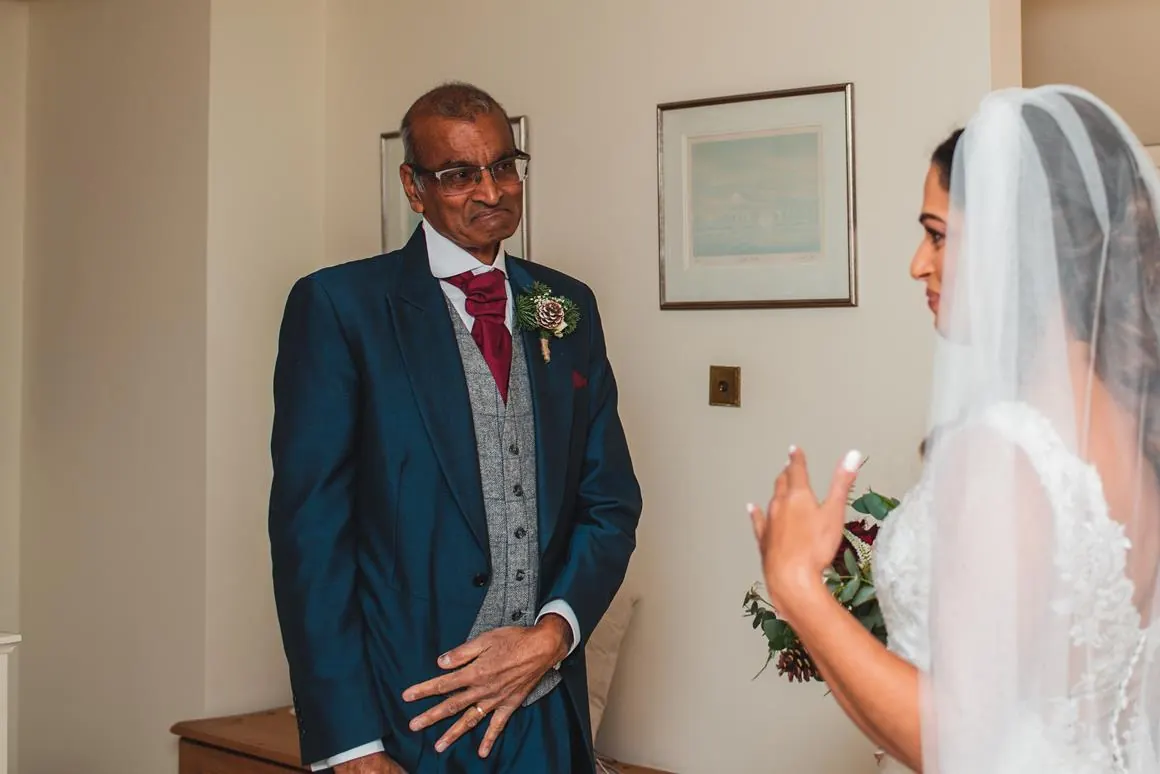
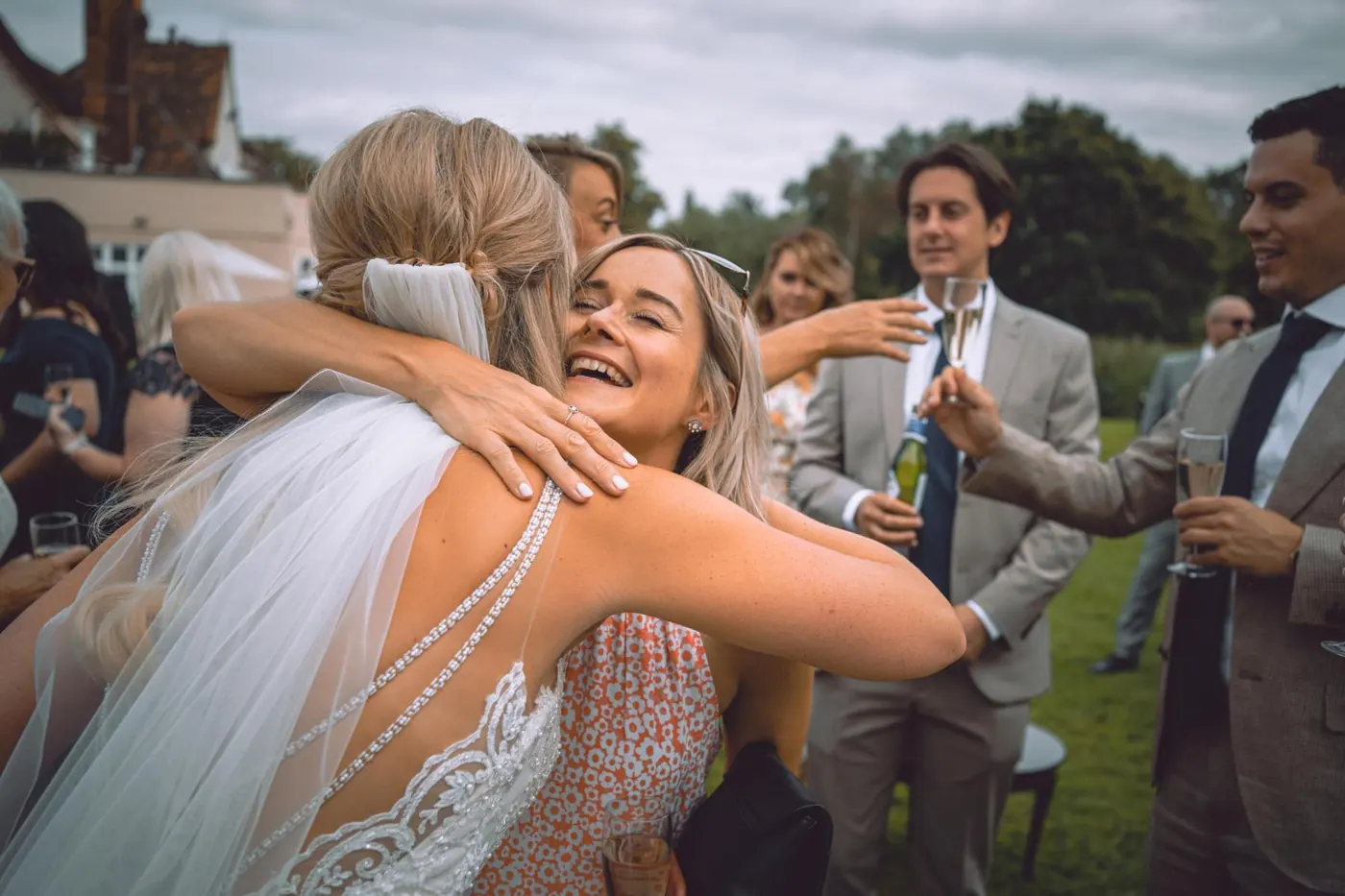
- Covers the people around you. A big part of the story is your guests: the reactions, the hugs, the grandparents holding hands, the uncle who dances like nobody is watching.
- Keeps the formal part short. Group shots are planned with a list, done efficiently, and then the camera goes back to watching.
What you get that posed photography can’t give you
Posed photography isn’t bad. A well-lit, carefully composed portrait can be beautiful, and some couples love a polished, editorial look. But there are things a directed approach struggles to capture, simply because the act of directing changes what happens in front of the camera.
Real reactions
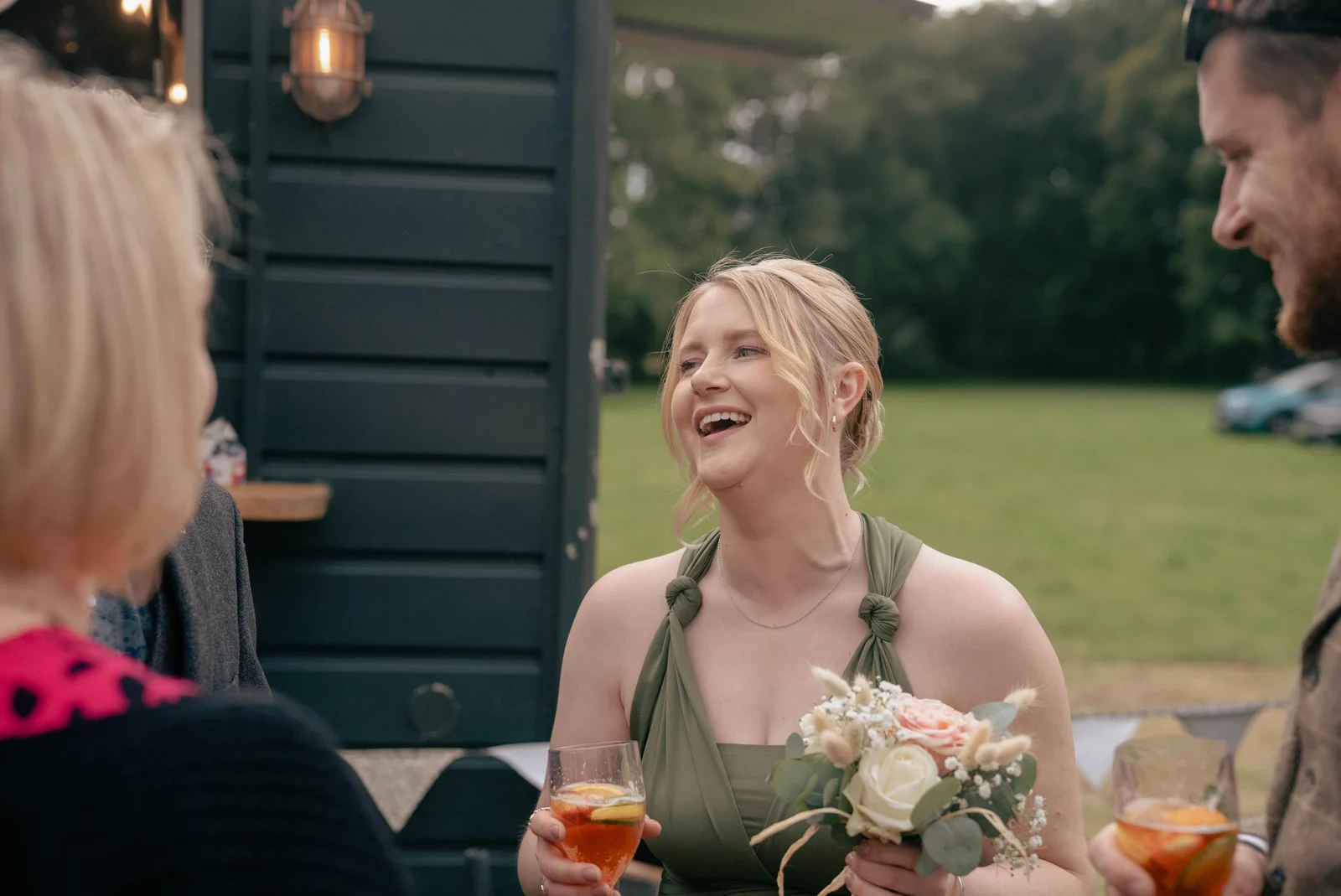
Ask someone to “look happy” and you get a version of happy. Catch them the moment they hear a line in a speech that gets them, and you get the real thing. The photos couples tend to go back to years later are often the ones they didn’t know were being taken.
The whole day, not just the highlights
A documentary set tells a story in order: the nerves in the morning, the quiet minute in the car, the noise of the drinks reception, the light dropping during the first dance. You see the in-between moments that join the big ones together, which is a lot of what makes a wedding feel like yours rather than anyone’s.
Your guests, as they really were
Weddings are one of the few days when everyone you love is in one place. A documentary photographer spends a good chunk of the day on them, so you end up with a record of who was there and how they were with each other, not only a lineup on the steps.
Less time away from your own wedding
Because there’s less staging, you spend more of the day with your guests and less of it being moved around the grounds. That matters a lot if one of you is camera shy. Our post on getting good photos when you’re camera shy goes into that in more detail.
What you give up, honestly
No style is perfect, and it’s better to know the trade-offs before you book.
- Less control over how you look. Candid photos catch you mid-laugh, mid-sentence and occasionally mid-mouthful. A good photographer will cull the unflattering ones, but you won’t get a perfectly angled shot of every moment.
- Moments can be missed. If something happens behind the photographer, it happens. A second shooter reduces this a lot, which is one reason we work as a pair.
- It depends on what actually happens. A very quiet, very short day produces a quieter set. That’s still honest and still lovely, but it won’t look like a festival wedding.
- Some planning still matters. “We’re not bothered about timings” can mean the speeches happen in the dark or the golden light comes and goes during dinner. A loose plan helps the photographer be in the right place. Our wedding day timeline for photos and film shows how to build one without making the day feel scheduled.
Documentary doesn’t mean hands-off
The best documentary photographers still help when it counts: a quiet word to move you into better light, rounding up the family for groups, or suggesting a ten-minute walk at sunset. The skill is knowing when to step in and when to stay out of the way.
How to tell if a photographer really works in a documentary style
Lots of photographers describe themselves as documentary because it’s a popular word. These checks help you see past the label:
- Ask for two or three full galleries. Highlights reels and Instagram grids are curated. A complete wedding shows you how they handle the slow parts, the dark room, the rain and the family groups.
- Look at the guests. Are there plenty of natural reactions and interactions, or mainly the couple posed in the grounds?
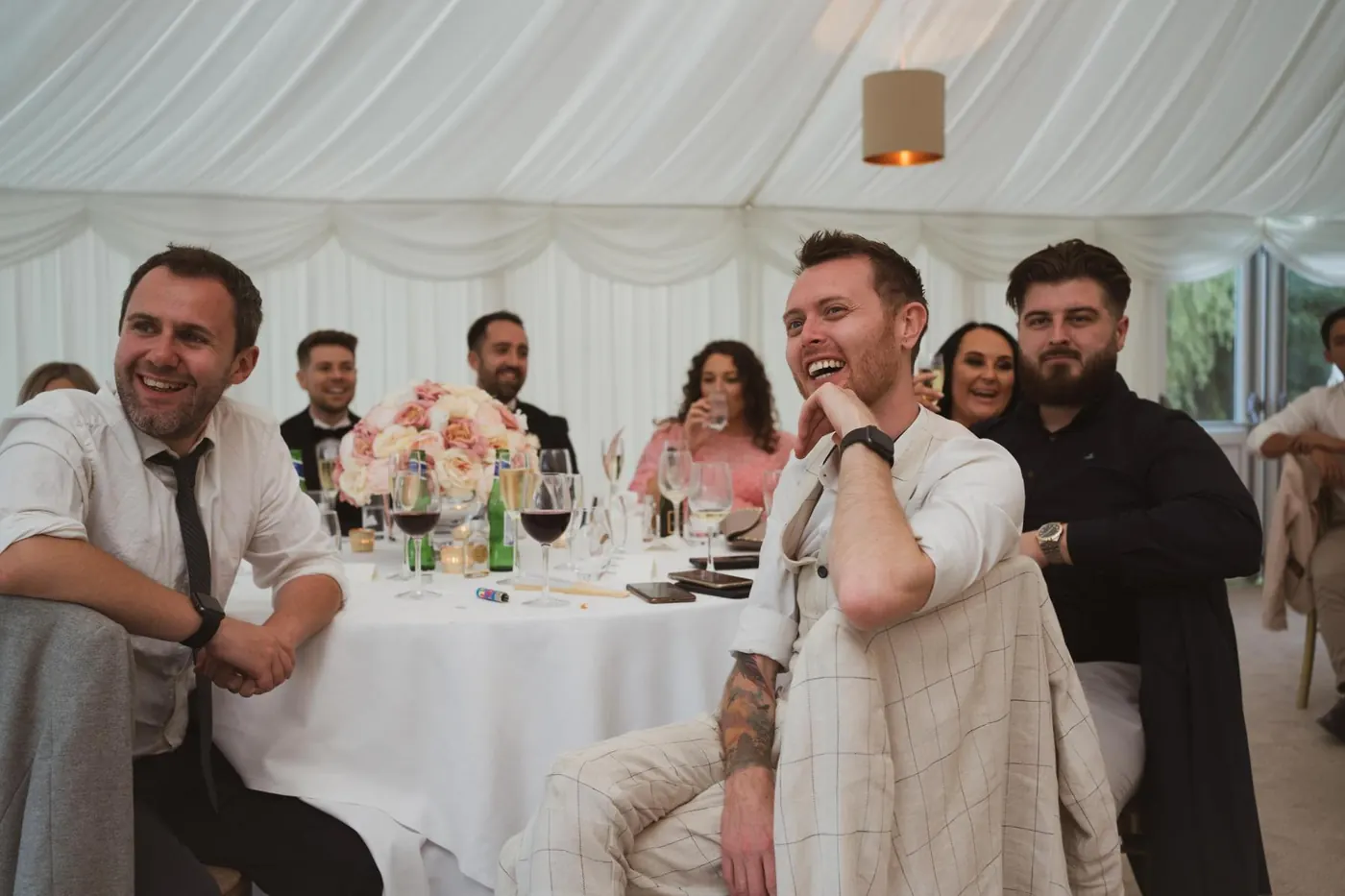
- Check the speeches. These are a good test. Look for faces in the audience reacting, not only the person holding the microphone.
- Ask how they spend the day. How long do they usually take for group shots and couple portraits? How do they work during the drinks reception? A clear answer suggests experience.
- Ask about a second shooter. Two cameras can cover the groom’s reaction and the walk down the aisle at the same time, and both sets of preparations in the morning.
- Read the contract. Check the hours of coverage, roughly how many edited photos you’ll receive, and what happens if they’re ill. Under the Consumer Rights Act 2015, Citizens Advice notes that services must be provided with reasonable care and skill, but a clear contract saves you relying on that.
Documentary photography and wedding film together
Documentary photography and film work well side by side because they share the same idea: capture what happens rather than staging it. With one team covering both, the photographer and filmmaker can plan positions together so they aren’t stepping into each other’s shots during the vows or first dance. If you’re still deciding whether film is worth it, our post on whether you need a wedding videographer is a good place to start, and our guide to choosing a wedding photo album covers what to do with the photos once you have them.
How we approach a documentary wedding
We’re Sam and Sofia, a photo and film team based near Colchester, covering Essex, Suffolk, London and destination weddings. Our approach is mostly documentary: we keep out of the way, follow what’s happening, and only step in for the family groups and a short portrait session that you’re in charge of. Working as two means one of us can stay with you while the other catches your guests, the details and whatever is going on in the next room.
Our photography packages include 600+ edited photos with Essentials, 800+ with 8 Hours and 1,000+ with Full Day. For a documentary set, more hours usually means more of the story, from getting ready through to the dance floor. If you’d like to know what it all costs, our post on wedding photography and videography costs in the UK lays it out.
If this sounds like the kind of photos you want, have a look at our packages or tell us about your day. We’re always happy to share full galleries so you can see a whole wedding, not just the best bits.
Sources: Citizens Advice: If you’re unhappy about poor service. Checked October 2026.
Related guides
More on photography & film.
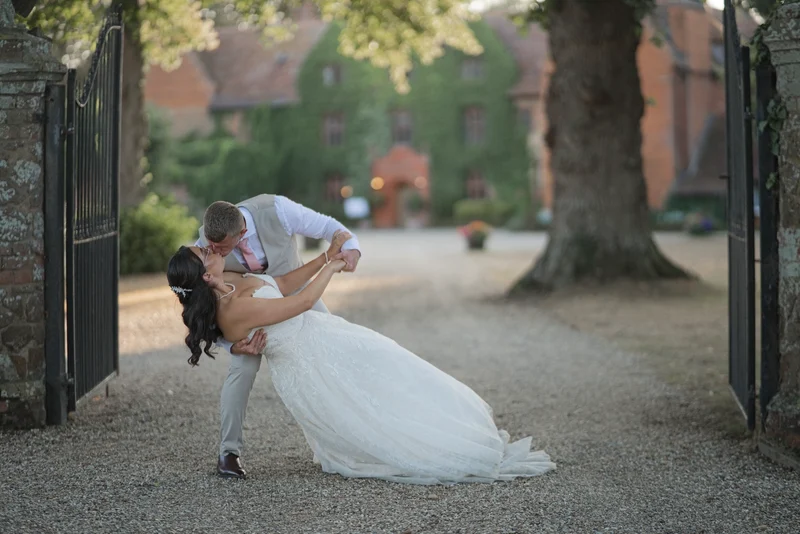
Wedding Photo Book vs Album: Which One Will You Still Love in 30 Years?
What a wedding photo book costs, how it differs from a professional album, and how to design one that still looks good decades from now.
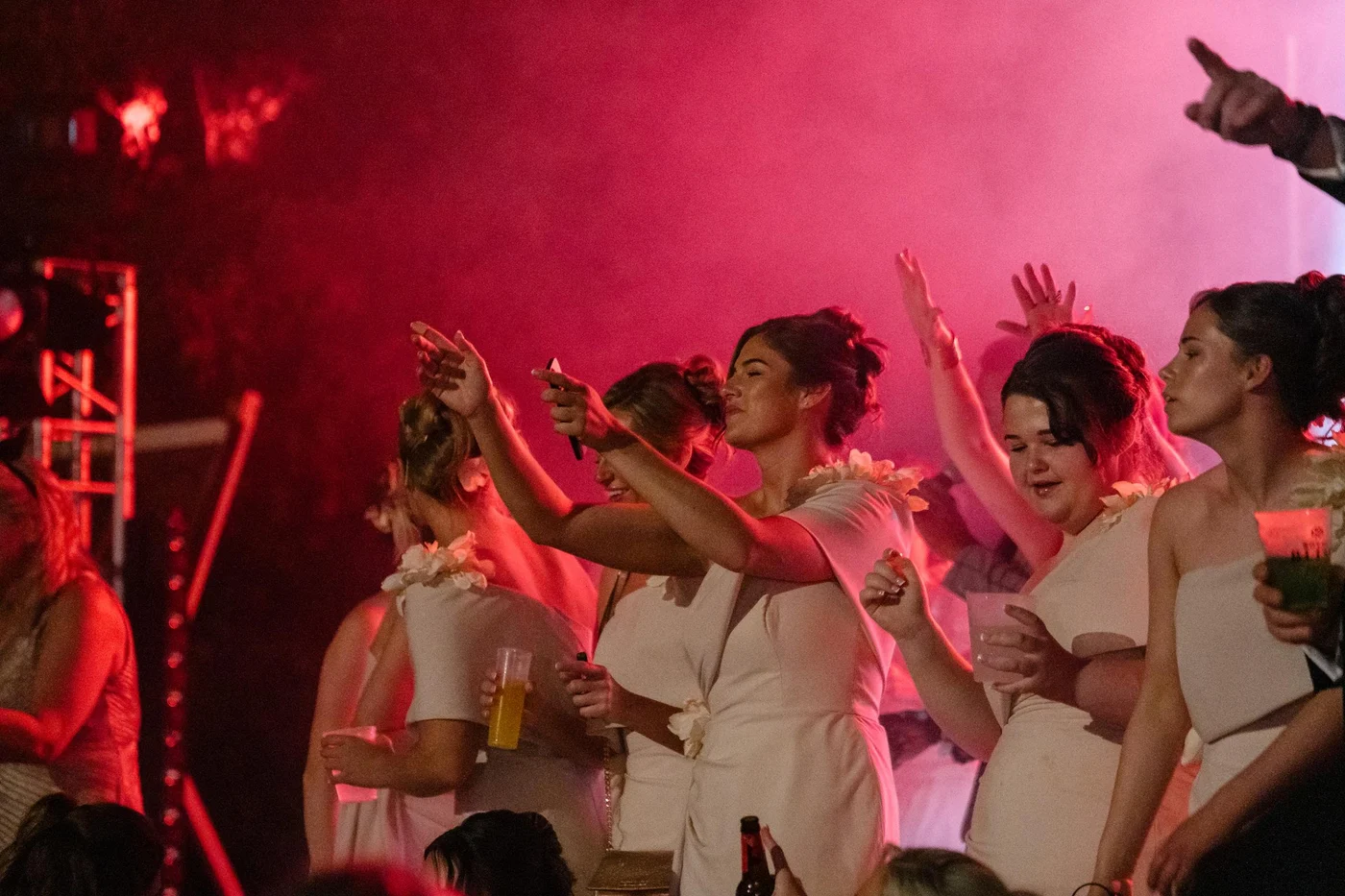
The Wedding Photo Album Guide: What’s Worth Paying For (and What Isn’t)
Album, photo book or prints? What makes an album last, what to skip, and how to actually get it made.
Planning your wedding?
Let’s hear about your day.
Tell us your date, your venue and what you have in mind. Photography, film, content creation, or all three.