
How to Budget for a Wedding Without Crying Over a Spreadsheet
Wedding budgets have a reputation for going wrong, and for good reason: Hitched’s 2026 research found that 56% of couples spent more than they planned. The good news is that a simple, honest budget set up at the start avoids most of the stress. Here’s how to do it in an afternoon, without crying over a spreadsheet.
Step 1: Work out what you actually have
Before you look at a single venue, have three conversations:
- What you can save. Multiply what you can put aside each month by the months until your wedding. Add any savings you’re happy to use.
- What family might contribute. Hitched found 61% of UK couples had some help from family. Ask early and kindly, and agree whether any money comes with expectations attached (like the guest list).
- Your limit. Agree a number you won’t go over, and decide now whether borrowing is off the table.
Step 2: Know what weddings really cost
For context, Bridebook’s 2026 report puts the average UK wedding at £20,604 (excluding honeymoon and engagement ring), or about £278 per guest. Hitched’s report puts it at £21,990. London weddings average around £27,000. These are averages, not targets: plenty of beautiful weddings cost a fraction of that.
Step 3: Split it into percentages
Bridebook’s data shows roughly how a typical budget divides. Use it as a starting point and adjust for what matters to you.
| Category | Share of budget | On a £15,000 budget |
|---|---|---|
| Venue and catering | 51% | £7,650 |
| Wedding attire | 19% | £2,850 |
| Photography and videography | 10% | £1,500 |
| Flowers and décor | 7% | £1,050 |
| Entertainment | 7% | £1,050 |
| Other suppliers and extras | 6% | £900 |
Step 4: Pick your top three
Every couple has things they care about and things they really don’t. Each choose your top three priorities, compare lists, and put more money into those. Then be ruthless with everything else. If neither of you cares about favours or chair covers, skip them.
Step 5: Add a buffer
Set aside 5 to 10% for things you didn’t plan for: alterations, extra guests, postage, tips, a last-minute taxi. If you don’t need it, it’s honeymoon money.
Step 6: Track every payment
Keep one simple sheet with columns for supplier, quoted price, deposit paid, balance due and due date. Update it every time you book something. It’s the easiest way to spot overspending early.
The guest list is your biggest lever
Catering, drinks, chairs, stationery and favours all scale with guest numbers. At around £278 per guest on average, cutting ten people from the day guest list can save more than almost any other single decision.
Where couples overspend
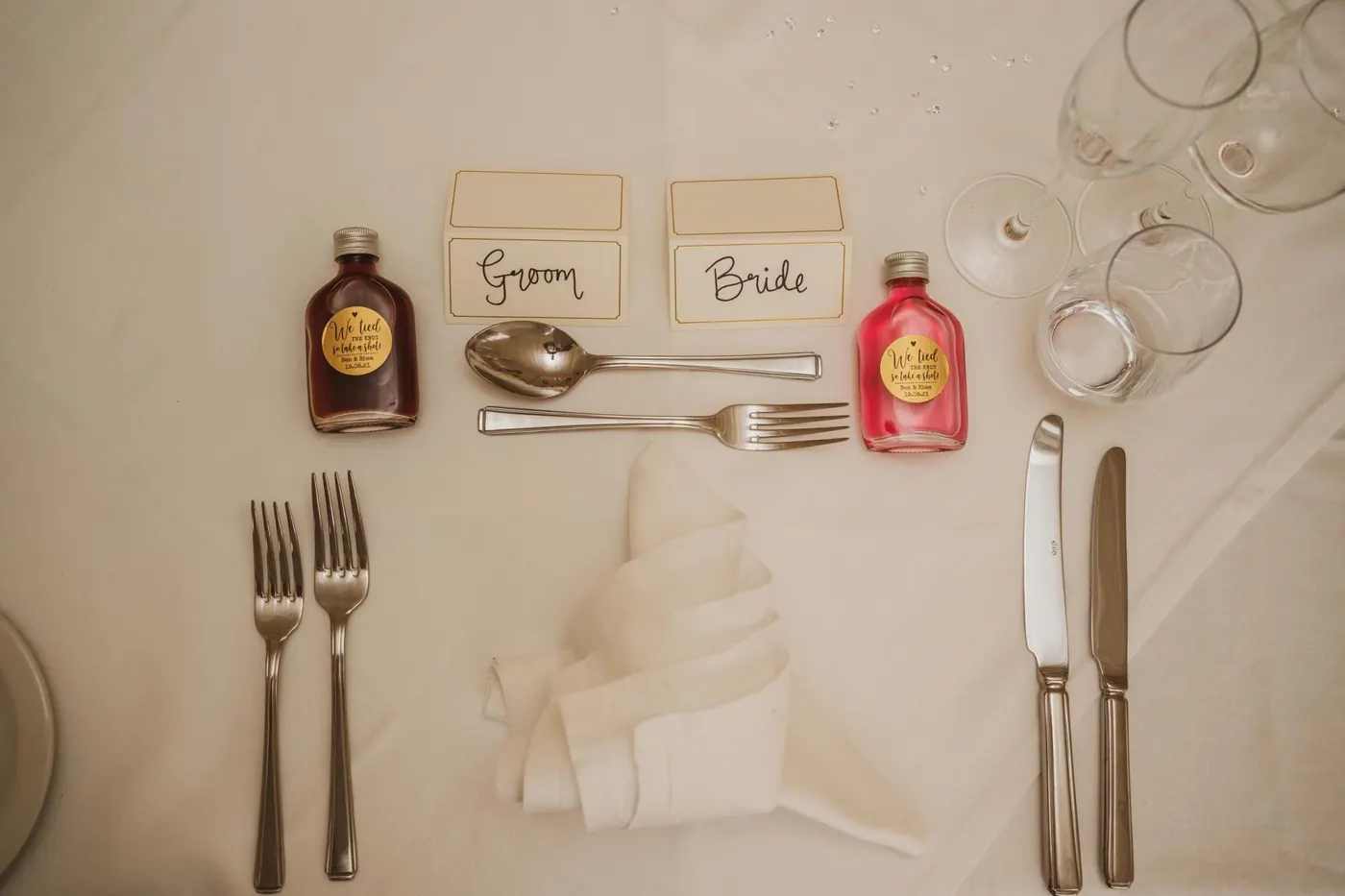
- Small extras that add up: signage, favours, welcome bags, hire items.
- Last-minute changes: upgrading packages in the final months.
- Forgetting hidden costs: venue service charges, VAT, delivery fees, alterations.
Where it’s worth spending
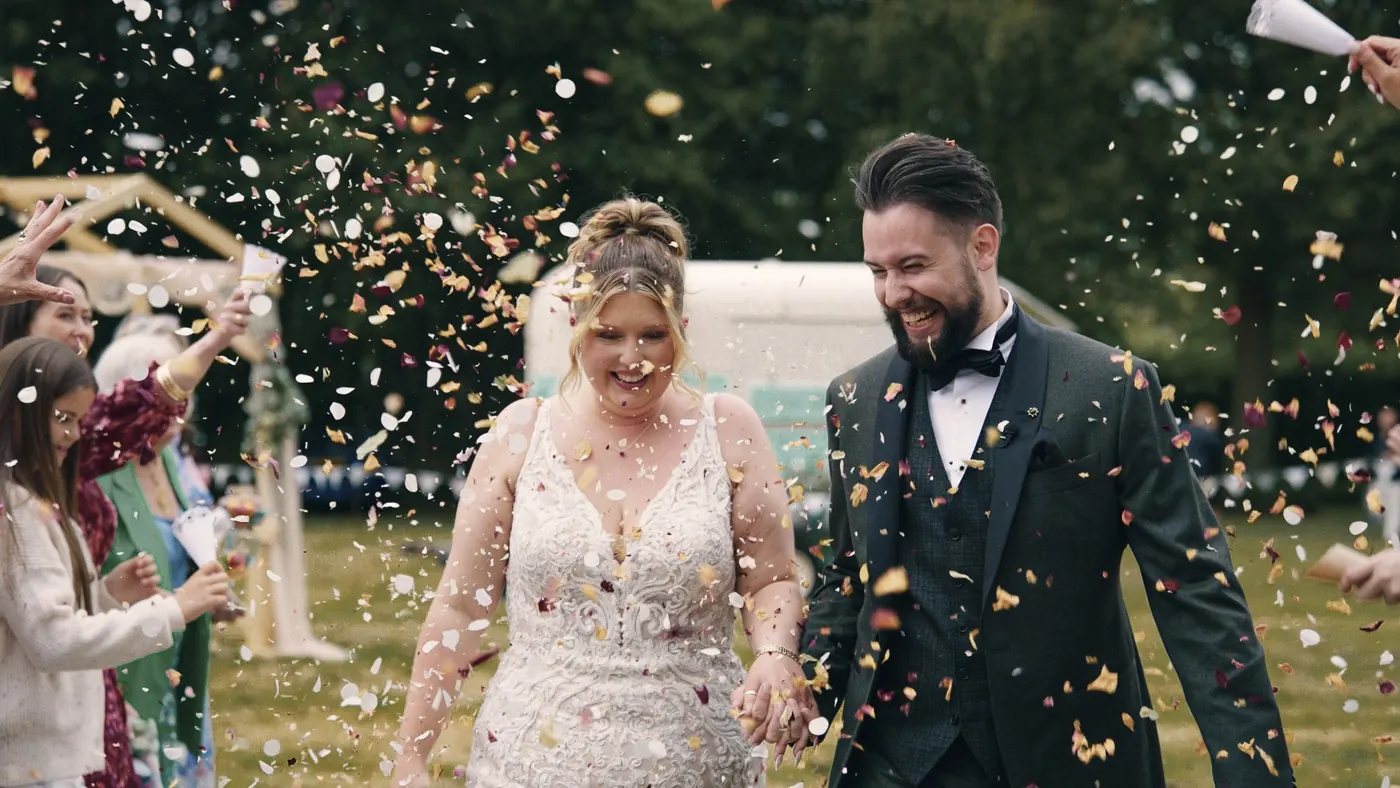
Once the day is over, what you keep is your photos, your film and your memories of feeling relaxed with the people you love. That’s why so many couples tell us they wish they’d prioritised photography and film. It doesn’t have to be the biggest line on your budget. Just make sure it’s protected.
Read our guide to photography and film costs, or see our packages to build a collection that fits your budget.
Sources: Bridebook 2026 UK Wedding Report; Hitched 2026 Wedding Industry Report. Figures checked October 2026.
Related guides
More on planning & budget.
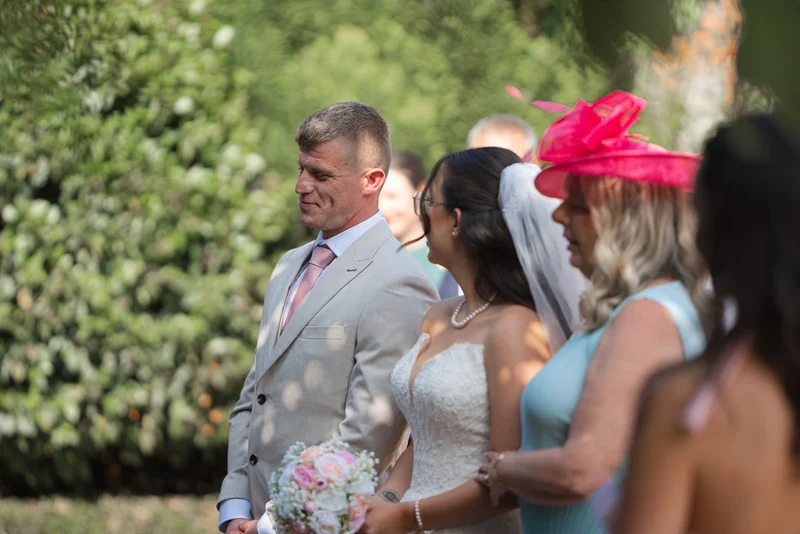
How to Plan a Wedding Timeline That Actually Leaves Time for Photos
A sample wedding day schedule you can copy, plus the five places timelines usually go wrong.
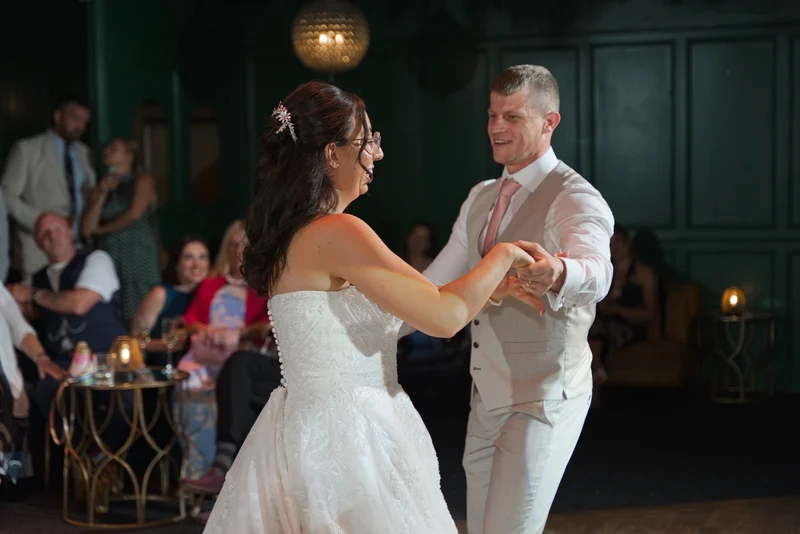
Wedding Entertainment Ideas That Keep Guests Off Their Phones
Music, interactive extras and evening ideas for every part of the day, plus costs, venue checks and firework rules.
Planning your wedding?
Let’s hear about your day.
Tell us your date, your venue and what you have in mind. Photography, film, content creation, or all three.