What Is Civil Partnership? The Plain-English Answer Every Couple Should Read
What is civil partnership? In England and Wales, a civil partnership is a legally recognised relationship between two people, formed when you both sign a civil partnership schedule in front of a registrar and two witnesses. It gives you rights very close to marriage, including tax, inheritance and parental rights, but it is a purely civil arrangement: there are no compulsory vows and no religious content. Since the end of 2019 it has been open to opposite-sex couples as well as same-sex couples.
That is the short answer. The longer one matters, because the differences between a civil partnership and a marriage are small but real, and they shape what your day can look like. Below we have set out the legal facts in plain English, checked against GOV.UK and council registration pages, and then what it means for planning the celebration itself.
What is civil partnership, legally?
A civil partnership makes you each other’s legal civil partner. According to GOV.UK, marriage and civil partnership both give you the same core package:
- You legally become your partner’s civil partner (the equivalent of a spouse).
- You may be eligible for certain tax benefits, including inheritance tax allowances.
- You gain parental rights and responsibilities if you have children together.
- You can inherit from your civil partner if they die without a will.
When opposite-sex civil partnerships began, the government’s announcement listed marriage allowance tax relief, exemption from inheritance tax, joint parental responsibility for children born to civil partners, and pension and inheritance entitlements comparable to married couples.
There’s no such thing as common law marriage
GOV.UK is clear that these rights do not apply if you simply live together. “Common law marriage” does not exist in England and Wales, however long you have been together and whether or not you have children. That is one of the main reasons couples who don’t want a wedding choose a civil partnership.
Who can form a civil partnership?
In England and Wales you can form a civil partnership if you are:
- 18 or over
- not already married or in a civil partnership
- not closely related to each other
It was originally only available to same-sex couples. New regulations opened it to opposite-sex couples in December 2019, and the first opposite-sex civil partnerships took place on 31 December 2019. Scotland, Northern Ireland and other countries have their own rules, so check those separately if you are not forming your partnership in England or Wales.
Civil partnership vs marriage: the real differences
Most of the process is identical. You give notice the same way, you need the same number of witnesses, and the registrar fees are the same as for a civil marriage. The differences are in the ceremony itself.
| Civil partnership | Marriage | |
|---|---|---|
| Religious or civil | Civil only. Religious ceremonies are not allowed | Religious or civil |
| Vows | Not required, but allowed | Must exchange vows |
| How it becomes legal | Signing the civil partnership schedule | Vows plus signing the schedule |
| Witnesses | At least 2 | At least 2 (civil ceremony) |
| Registrar fee at a register office | £62 | £62 |
| Ending it | Dissolution | Divorce |
The big one for planning is vows. Because a civil partnership is formed by signing, the spoken part is optional. Some couples love that: you can keep it to a quiet signing with two witnesses, or you can write your own promises and have a full ceremony with readings and music. Essex County Council’s registration service puts it simply: civil partnerships don’t require a ceremony. You still need to give notice and book a registrar either way.
How to form a civil partnership in England and Wales
- Choose your venue first. GOV.UK says you need to know where you are holding it before you give notice. That can be a register office or any council-approved venue.
- Give notice. You both give notice at your local register office at least 29 days before the date. You must have lived in that registration district for the past 7 days. If you live in different districts, you each give notice in your own.
- Hold it within 12 months. The ceremony or signing must take place within 12 months of giving notice.
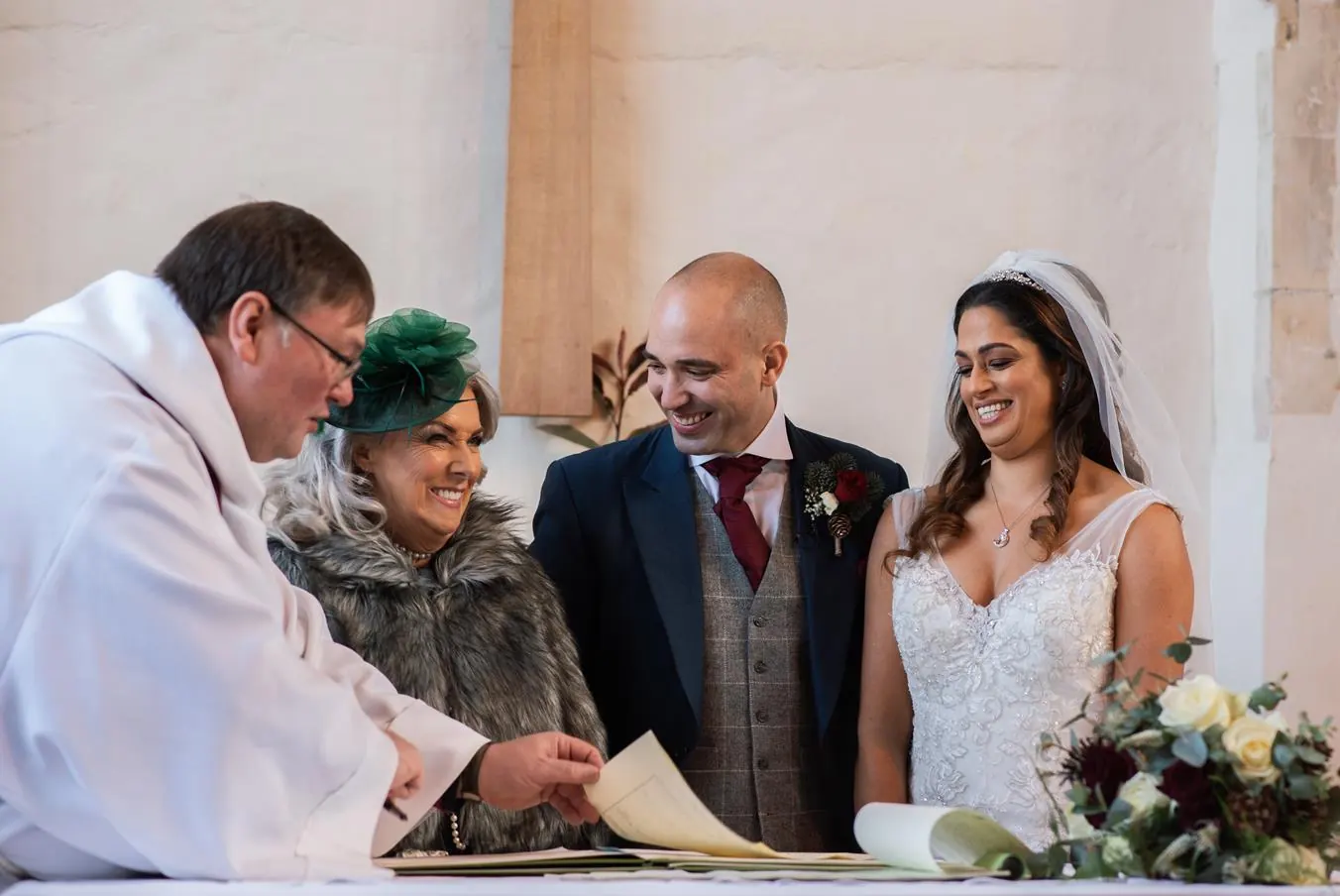
- Sign the schedule. You, your two witnesses and the registrar sign. Each of you can list up to four parents on the schedule.
- Order your certificate. The signed schedule goes to the local register office and is added to the register. You order your certificate from there.
If one of you is from outside the UK or Ireland, the notice rules are different and you may need a visa, so read the GOV.UK guidance on that before booking anything.
What about religious content?
A civil partnership cannot be religious. That means no hymns, scripture readings or religious music during the legal part. This is the same rule as for a civil marriage ceremony. If faith matters to you, many couples hold a separate blessing or celebration at another time.
Changing your name after a civil partnership
Changing your surname is a personal choice, not a legal requirement. If you want to take your partner’s surname, your civil partnership certificate is the document organisations will ask for. If you want to combine names or choose a new one, councils advise using a change of name deed instead.
Can you convert a civil partnership into a marriage?
GOV.UK says same-sex couples can convert a civil partnership into a marriage in England or Wales. Councils offer this as a short appointment at the register office, with an optional ceremony afterwards. As one example, Southampton City Council lists a one-stage conversion at £45 per couple. Fees vary by council, so check your local register office. GOV.UK only describes this route for same-sex couples, so if you are an opposite-sex couple thinking about it, ask your register office directly.
Ending a civil partnership
Ending a civil partnership is called dissolution, rather than divorce. GOV.UK says you can apply once you have been in the partnership for over a year, the court fee is £612, and it normally takes at least six months. It’s not the cheeriest part of a wedding guide, but it is part of the honest answer to “what is civil partnership”.
Planning the day itself
Here is where it gets fun. A civil partnership can be as small or as big as you like, and the freedom over vows means the shape of the day is more open than people expect. A few things we’d think about:
- Decide what the signing means to you. If you skip vows, the signing becomes the legal moment. Make sure it happens somewhere with good light and room for us to move, not in a dark corner.
- Write your own words anyway. Even though they are optional, personal promises are often the moment guests remember. Agree the wording with your registrar in advance.
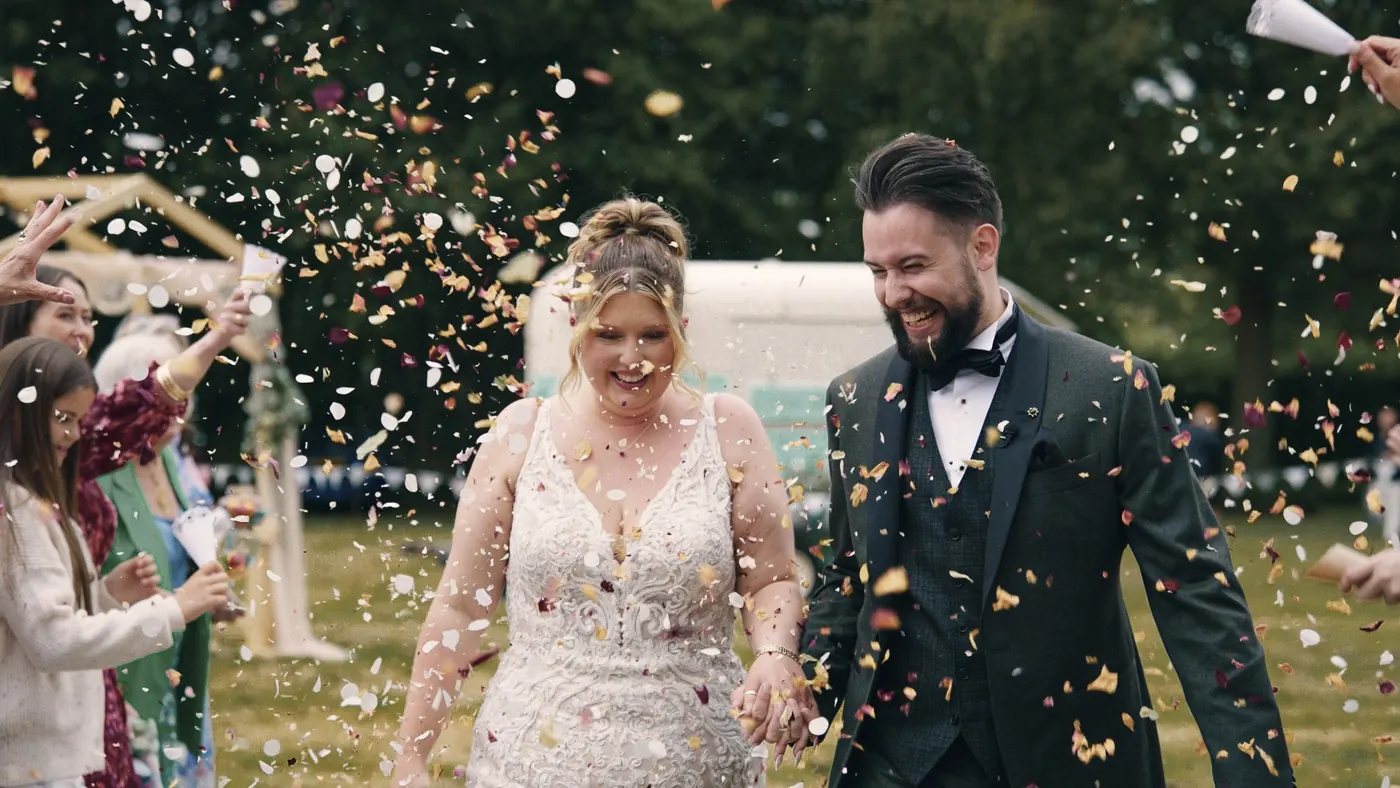
- Keep the rest of the day yours. First dance, speeches, confetti: none of that is affected by whether it is a marriage or a civil partnership.
- Think about who isn’t there. If you keep the signing tiny, a short film is a lovely way to share it with everyone afterwards.
For timings around the ceremony, our wedding day timeline guide works just as well for a civil partnership, and if you are weighing up venues, start with how to choose a wedding venue. Small celebrations? Have a look at our guide to intimate wedding venues.
Planning a civil partnership in Essex, Suffolk, London or further afield? We’d love to hear about it. Have a look at our packages or get in touch.
Sources: GOV.UK: Marriages and civil partnerships; GOV.UK: Plan your ceremony; GOV.UK: Give notice; GOV.UK: Legal rights and responsibilities; GOV.UK: First opposite-sex civil partnerships (December 2019); GOV.UK: End a civil partnership; GOV.UK: Apply to end a civil partnership; Essex County Council: Get married or form a civil partnership; Lincolnshire County Council: Changing your name; Southampton City Council: Converting a civil partnership. This is general information, not legal advice. Checked October 2026.
Planning your wedding?
Let’s hear about your day.
Tell us your date, your venue and what you have in mind. Photography, film, content creation, or all three.