
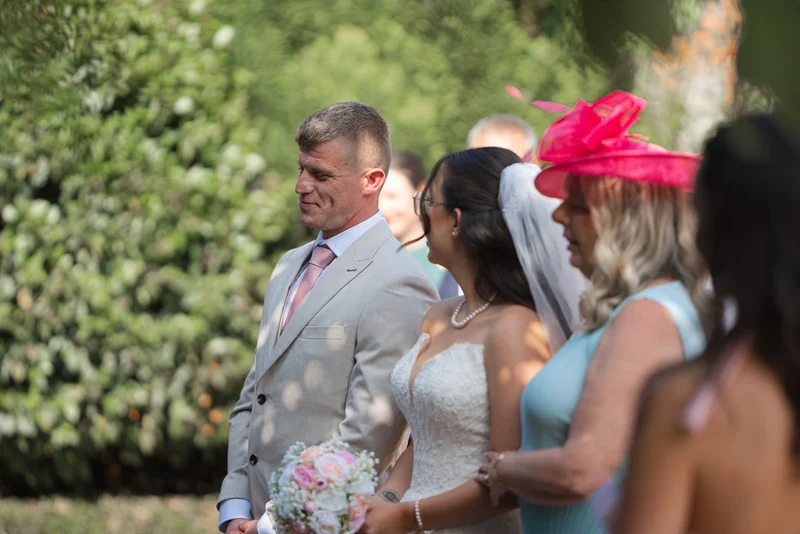
JournalPhotography & Film
Wedding Films: Why Your Future Self Will Thank You
Wedding films are the one part of the day that gives you back voices, movement and the bits you missed while you were busy getting married. Photos show you how it looked. A film lets you hear your dad’s speech wobble on the third line, see your nan dancing, and remember exactly how your partner sounded saying their vows. Years from now, that’s usually the part people are most glad they have.
But a film only pays off if it’s made, recorded and kept properly. Below we cover the main types of wedding film, why the audio matters more than the pictures, the music licensing question most couples never think to ask, and the simple steps that make sure your future self can still press play in twenty years. If you’re still deciding whether to have a film at all, our honest take on whether you need a wedding videographer is a good place to start.
What wedding films look like now
“Wedding video” used to mean a long, unedited tape of the whole day. Most wedding films today are edited pieces, and what you receive varies a lot between videographers, so it’s worth asking exactly what’s included. The common formats are:
- Highlight film. A short, cinematic edit of the day set to music, usually with clips of vows and speeches woven in. This is the one you’ll show people.
- Documentary or feature edit. A longer film that follows the day in order, giving the ceremony, speeches and key moments room to breathe.
- Full ceremony and speeches. The complete, lightly edited recordings. Less glamorous, but often the most precious in years to come.
- Short social clip or teaser. A quick edit sized for phones, handy for sharing with guests.
None of these is “best”. In our view the highlight film is the one you’ll watch and share in the first year, while the full ceremony and speeches are the recordings that tend to mean more as time goes on.
Why wedding films matter more as time goes on
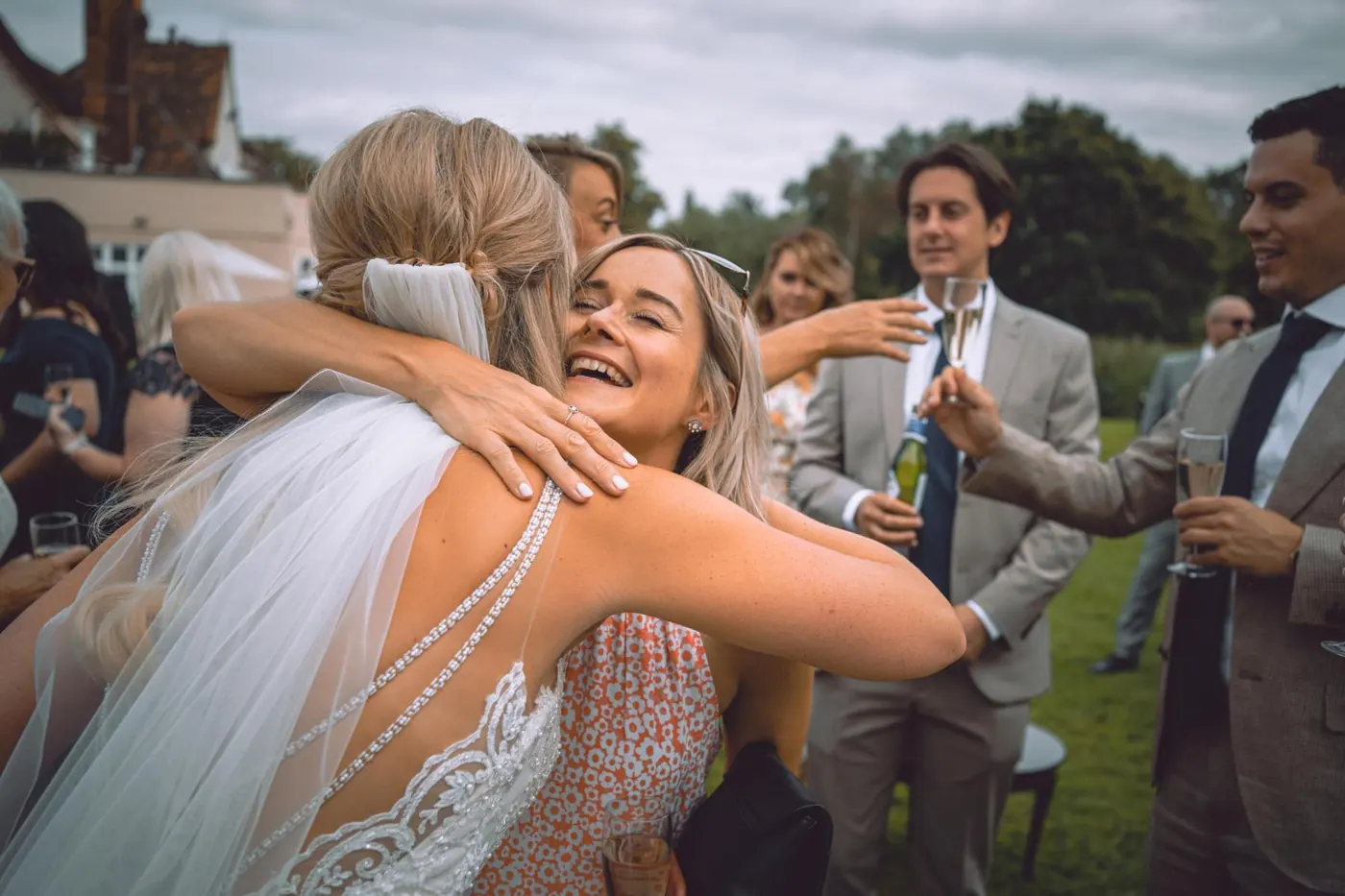
On the day itself you see surprisingly little. You’re in the ceremony, then you’re being congratulated, then you’re being steered between photos, food and the dance floor. A good film catches what was happening around you: the guests laughing at a speech you were too nervous to listen to properly, the friends who travelled a long way, the children who will be grown up before you know it.
It’s also the only record of how people sounded and moved. A photograph of a grandparent is lovely. A few seconds of them chatting, laughing or raising a glass is something else entirely, and it can’t be recreated later. That’s not a sales line, it’s just what film does that stills can’t.
Photos and film work best together. If you’re thinking about how the two fit into one day, our post on planning a wedding day timeline for photos and film explains where each needs a little time.
The sound is the part you’ll treasure
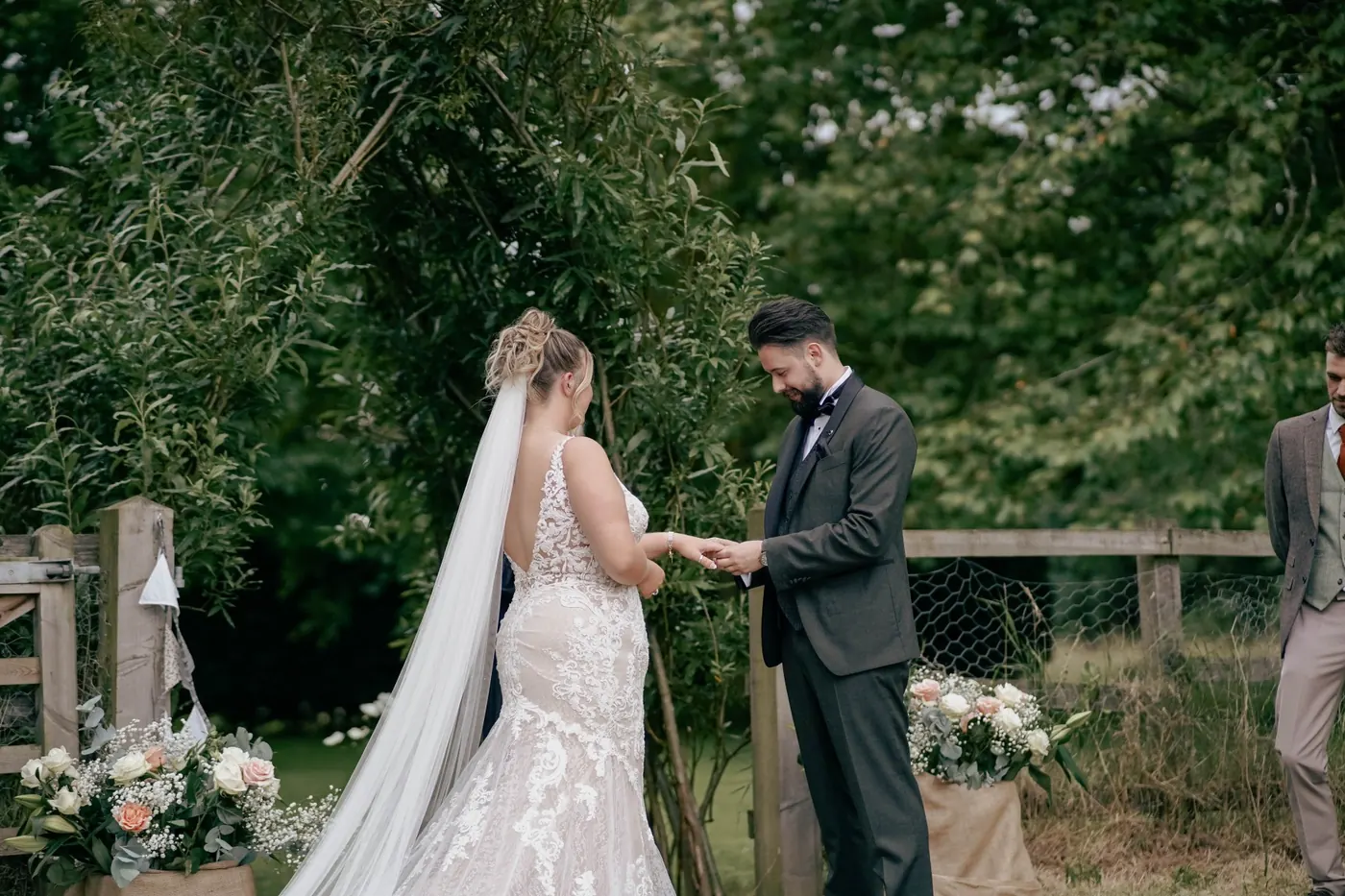
When you rewatch a wedding film years later, it’s the vows and the speeches that carry it, not the drone shots, and those are only as good as the audio. Shaky footage is forgivable; vows you can’t hear are not.
Questions worth asking any videographer:
- How do you record the vows? A small microphone on the person officiating or on one of you, plus a backup, is far more reliable than a camera mic at the back of the room.
- How do you record speeches, and what happens if the venue has no microphone or PA?
- Do you keep a backup recording in case one device fails?
- Will I get the ceremony and speeches in full, or only as clips in the highlight film?
For church weddings, check filming with your vicar early. The Church of England says couples should discuss any filming well in advance, and that the vicar will confirm what is possible inside the building and during the service. Some churches limit filming during the ceremony itself.
Music in wedding films: the question nobody asks
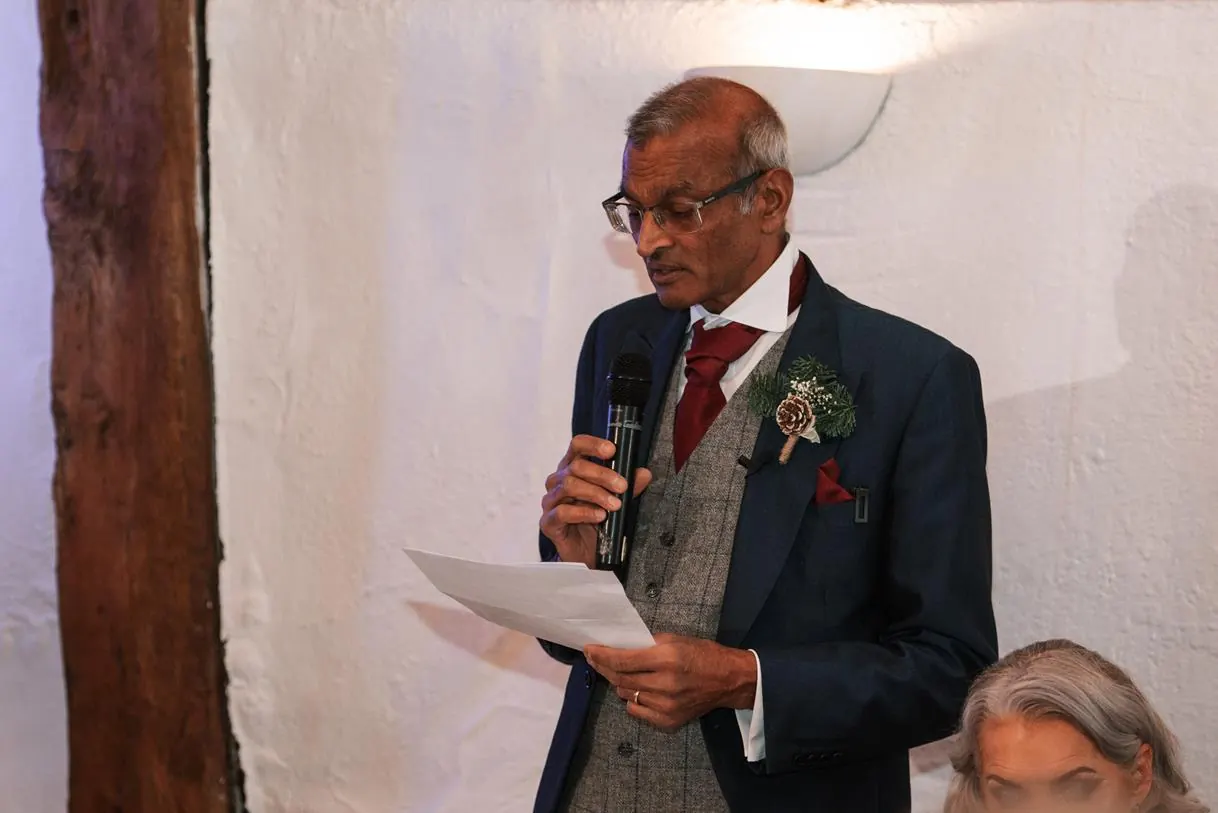
Most highlight films are cut to music, and music is usually someone’s copyright. In the UK, PRS for Music offers a Limited Manufacture licence for small runs of physical products such as DVDs. Its FAQs say the licence covers up to 1,000 units per product and 2,500 units a year per licensee, that it’s normally taken out by whoever makes and supplies the copies, and that it excludes things like on-screen lyrics. The same FAQs don’t clearly cover posting online, so sharing is a separate question.
Ceremony music has its own rules. The Church of England explains that recording a service with copyrighted music needs permission, either directly or through a licence. Many churches hold a CCLI Church Copyright Licence that may cover recording live music in the ceremony; if not, you’ll probably need a PRS for Music Limited Manufacture Licence, and this applies even when you’ve hired a professional. Organists and choirs may also be entitled to an extra fee for being recorded.
Online sharing is where it tends to go wrong. On YouTube, a video that matches copyrighted music through Content ID can be blocked, have ads placed on it, or be tracked by the rights owner, and YouTube says those actions can differ by country. So a film set to a chart hit might play fine for you and be blocked for a cousin abroad.
The simple fix is to ask your videographer how they license music, and whether the finished film is fine to post online. Some use licensed music libraries for exactly this reason. If you have your heart set on a particular song, raise it early so there’s time to sort out whether it’s possible.
Making sure your future self can actually watch it
Digital files don’t fade like old photos, but they can vanish all at once: a dead hard drive, a lost phone, a download link that expired before anyone saved the file. The US Library of Congress, which publishes advice on keeping personal digital video, recommends:
- Keep at least two copies of each video, and more is better.
- Keep one on your computer and others on separate media, such as a portable hard drive, a USB stick or online storage.
- Store the copies in places as far apart as practical, so one disaster can’t take them all.
- Check at least once a year that you can still open the files.
- Make fresh copies on new media every five years, or sooner if needed.
In practice that means: download the full-quality files as soon as they arrive, rather than relying on a streaming link. Put one copy on a drive at home, one in cloud storage, and ideally one with a family member. Ask your videographer how long their download link stays live, and whether they keep an archive copy themselves.
Five questions before you book a videographer
What will I receive (highlight film, full ceremony, full speeches)? How do you record the vows and speeches? How is the music licensed, and can I post the film online? How will I receive the files, and for how long can I download them? Can I see a full film, not just a highlights reel?
Is a wedding film worth it?
That depends on your budget and what matters to you, and we’d never pretend every couple needs one. If money is tight, a shorter coverage package focused on the ceremony and speeches can capture the bits that matter most. Our guide to wedding photography and videography costs breaks down what to expect, and if you’re weighing up a phone-based content creator against a videographer, we’ve compared the two in content creator vs videographer.
What we can say is that wedding films are the one thing from the day that gets more valuable every year you keep them. If you’d like to see how we film weddings across Essex, Suffolk, London and further afield, have a look at our packages or drop us a message. We’re always happy to chat it through.
Sources: PRS for Music, Limited Manufacture licence FAQs; Church of England, Filming a wedding; YouTube Help, Learn about Content ID claims; Library of Congress, Keeping personal digital video. Checked November 2026.
Keep reading
More from the journal.
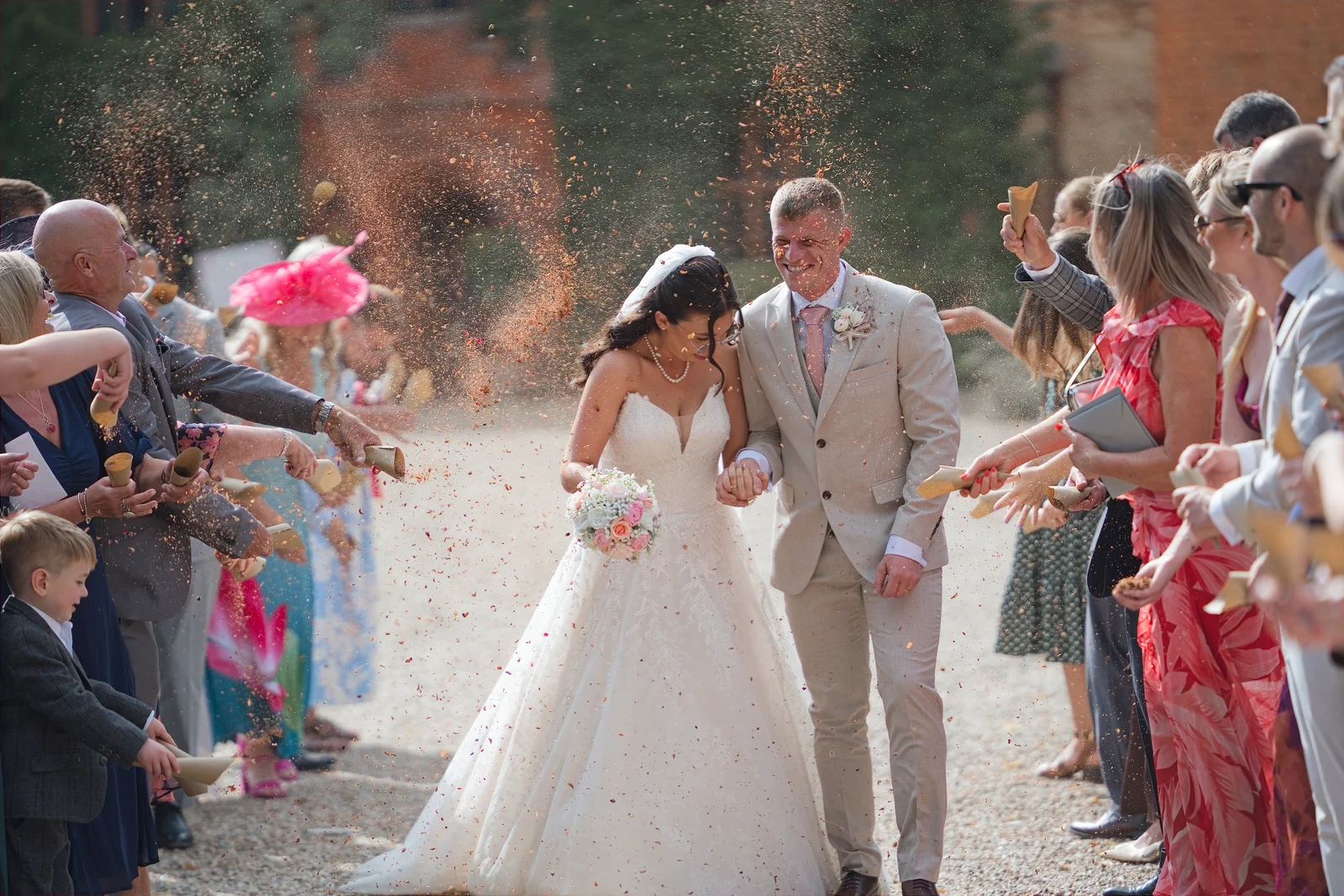
Barn wedding venues in Essex and Suffolk: a photographer’s guide
What makes a barn look beautiful on camera, and eight lovely barn venues across Essex and Suffolk to start your search.
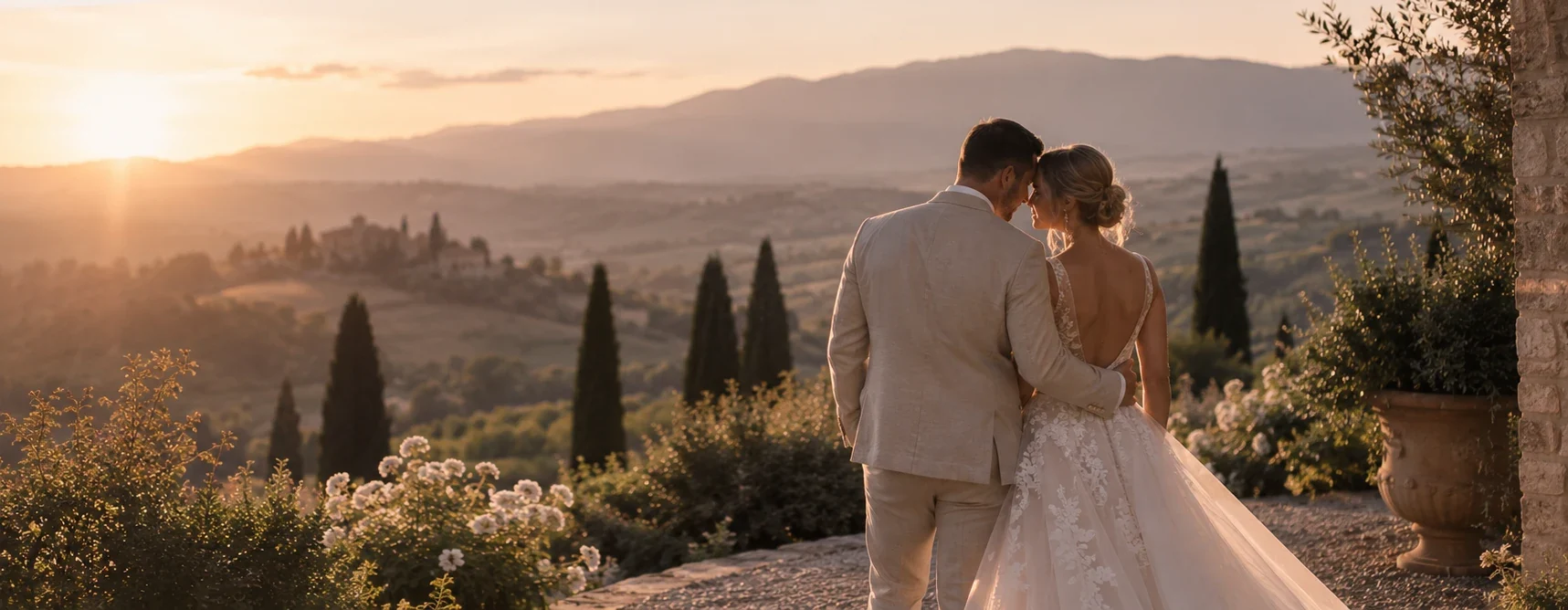
Places to Marry in Essex You Might Not Have Considered
A castle keep, a windmill, a 1911 cinema and a pier: licensed Essex venues off the usual list.
Hiring a London Wedding Photographer? Read This Before You Book
Travel costs, Royal Parks permits, register office timings and the questions to ask before you book a London wedding photographer.
Planning your wedding?
Let’s hear about your day.
Tell us your date, your venue and what you have in mind. Photography, film, content creation, or all three.