
JournalPhotography & Film
Wedding Videographer London: How to Find Your Filmmaker
If you’ve typed “wedding videographer London” into a search bar and found hundreds of names, start with the films, not the price list. Watch two or three complete films from each filmmaker you like, decide which style feels like you, then ask the same practical questions of everyone on your shortlist: how they record audio, what’s actually in the quote, and whether they know the filming rules at your ceremony venue. That last point matters more in London than almost anywhere else, because register offices, churches, the Royal Parks and the airspace over the city all come with their own rules.
Below we go through how to choose, what to ask and the London practicalities that quietly shape your film. We’re Sam and Sofia, a photo and film team based near Colchester, and London is one of the areas we cover, so this is the checklist we’d want a couple to use on anyone, including us.
Wedding videographer London: start with the style of film
Most wedding films fall somewhere between a few broad styles. None is better; what matters is which you’ll want to rewatch.
- Documentary. The day as it happened, with very little direction. Real moments, real sound, nothing staged.
- Cinematic. More polished and music-led, with slower shots, careful framing and an edit that feels a bit like a short film.
- Story-led. Built around your own words: vows, speeches or letters you read to each other, used as the spine of the film.
- Full-length coverage. The ceremony and speeches in full, usually alongside a shorter highlights film.
Many filmmakers blend these, so look at what they actually deliver rather than the label on their website. If you’re unsure what you’d get from a film at all, our post on whether you need a wedding videographer is a good place to start, and our guide to wedding films explains the different formats in more detail.
Watch whole films, not just trailers
A 60-second teaser shows you the best shots from a whole day. A full film shows you whether the filmmaker can tell a story, handle a dark reception room and get clean sound from a nervous best man. Ask for at least one complete film from a wedding similar to yours in size, season and type of venue.
Questions to ask before you book
- How do you record the vows and speeches? More on this below, but the answer should be specific.
- Who will actually be filming? If it’s a company with several shooters, ask whose work you’ve been watching.
- How many filmmakers, and for how long? One person can’t be with both of you on the morning, so check how getting ready is covered.
- What do we receive? Highlights film, full ceremony and speeches, raw footage or not, and in what format.
- How much input do we have on music and the edit? And are revisions included?
- Do you work alongside our photographer? A good photo and film team shares the space rather than competing for it.
- Do you have public liability insurance? Some venues and the Royal Parks ask for it (see below).
- What happens if you’re ill on the day? Ask about backup cover.
Comparing quotes like for like
Wedding film quotes are hard to compare because two filmmakers can offer very different things for similar money. Before you compare prices, line them up on the same points:
| Check | Why it matters |
|---|---|
| Hours of coverage | Does it run from getting ready to the first dance, or stop after the speeches? |
| Number of filmmakers | Two people can cover both mornings and more angles in the ceremony. |
| Films delivered | Highlights only, or the full ceremony and speeches too? |
| Audio kit | Mics on the couple and officiant, a feed from the venue’s sound system, or neither? |
| Travel and parking | Included, or added later? London adds costs other areas don’t. |
| Licences and permits | Who arranges and pays for any park permit or music licence? |
If you’re also booking a photographer, our guide to finding a London wedding photographer covers the same ground for photos, and booking both from one team can make the day simpler.
London filming rules that affect your film
This is where London weddings differ. The rules below come from official pages, but every venue has its own, so always ask yours directly.
Register offices
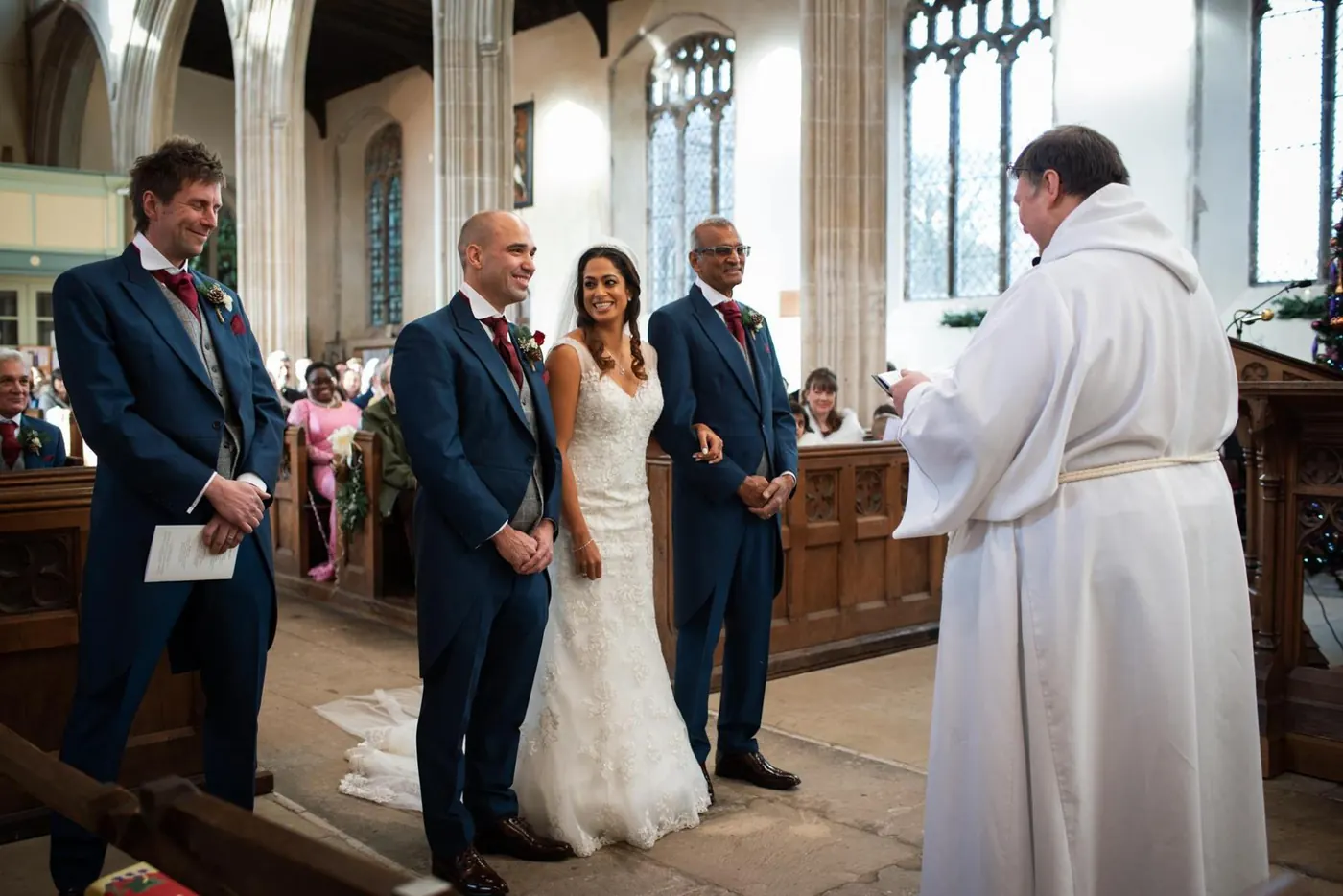
Each council sets its own approach. Camden says that photographs, video and audio recordings “can be done throughout the ceremony, as long as they are not disruptive”. Hounslow says video recordings are permitted and that the registrar decides where the person filming should stand, while photos during the ceremony need to be discussed with the registrar. Wandsworth asks that photography isn’t distracting or disruptive, and that your photographer is considerate of other ceremonies at the Town Hall. Hounslow also notes the registrar may have another ceremony straight after yours, so time and space can be tight. Ask what’s allowed when you book.
Churches
The Church of England advises talking to your vicar in advance, because the vicar decides whether and how filming can happen safely during the service, and some churches may not allow it at all. It also flags music copyright: recording copyrighted music may need permission, and if the church’s own licence doesn’t cover it, you’ll probably need a Limited Manufacture Licence from PRS for Music. Organists or choirs who are recorded may be entitled to an extra fee. Raise both points with your vicar early.
The Royal Parks
Thinking of portraits in Hyde Park, Greenwich Park or another Royal Park? The Royal Parks’ filming policy says anyone doing wedding photography or filming needs a permit, and phone footage for personal use is treated differently. Its wedding photography page says permits cover one hour and up to 10 people, must be applied for at least 10 days ahead, and need public liability insurance of at least £5 million. The Regent’s Park has its own booking system. Make sure your videographer knows this is their job to arrange, or yours.
Drones over London
Drone shots look lovely, but London is one of the hardest places in the UK to fly. Film London notes that restricted areas include the airspace around London City and Heathrow airports, the City of London and much of Westminster, and that flying there needs clearance through NATS. The CAA’s Drone Code says never to fly in an airport’s flight restriction zone without permission, and sets distances from people and built-up areas. The Royal Parks says it may give written permission for commercial drone use, with requests needing at least 10 working days. If a filmmaker offers drone footage in London, ask what permissions they’d need for your location, and don’t be surprised if the honest answer is that it isn’t practical.
Travel, ULEZ and the Congestion Charge
Filmmakers travel with a lot of kit, so many drive. TfL says the Ultra Low Emission Zone covers all London boroughs and the City of London, with a £12.50 daily charge for vehicles that don’t meet its standards. Central London venues may also be inside the Congestion Charge zone, which TfL says operates on weekdays from 7am to 6pm and from midday to 6pm on weekends and bank holidays. Check whether these, plus parking, are in your quote or added later.
Audio: the part couples forget
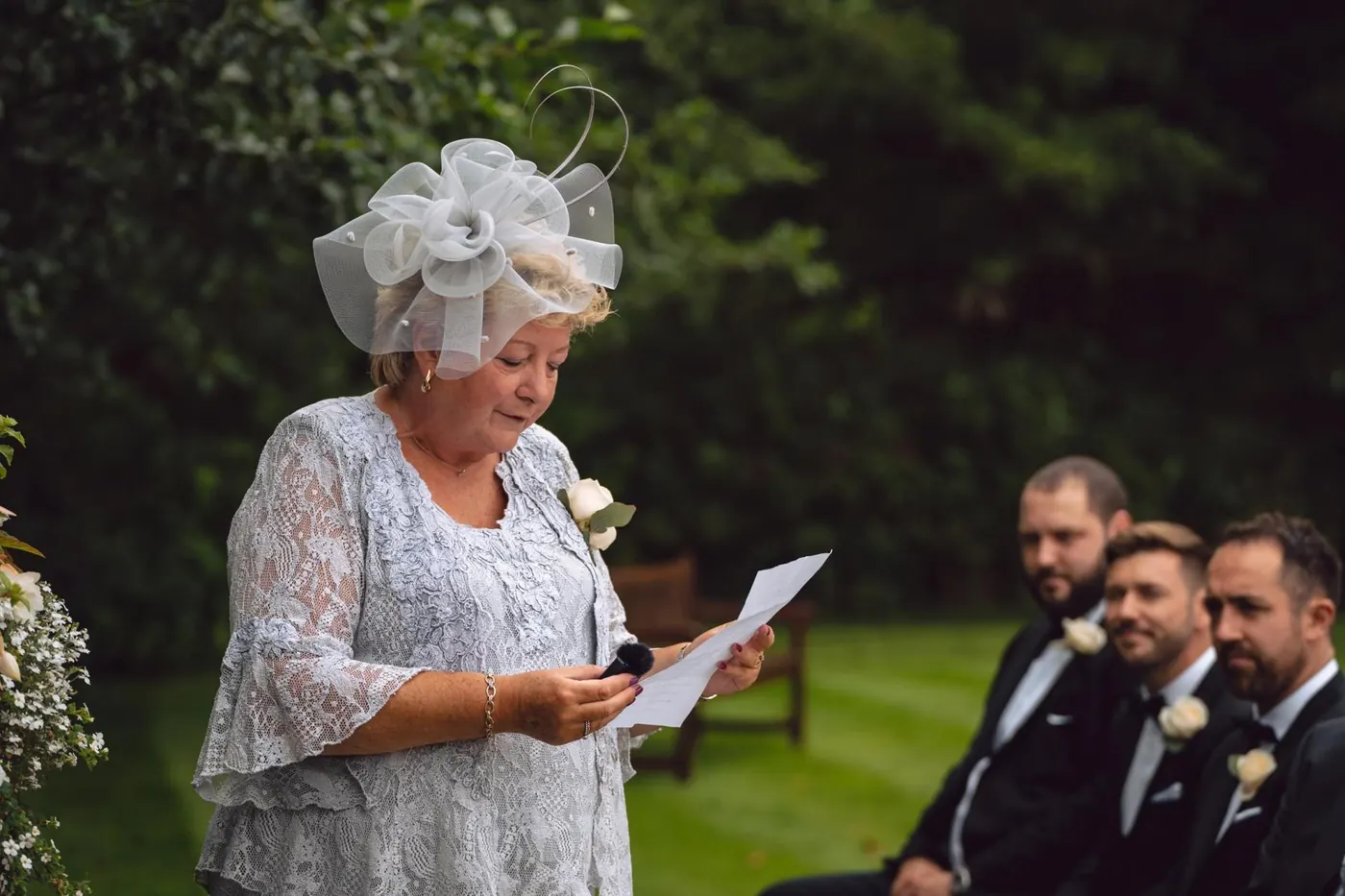
Beautiful pictures with muddy sound make a frustrating film. Vows are often spoken quietly, and speeches happen in rooms full of clinking glasses. Ask any videographer:
- Will you put small microphones or recorders on us and the officiant during the ceremony? (Registrars and vicars may have views on this, so ask them too.)
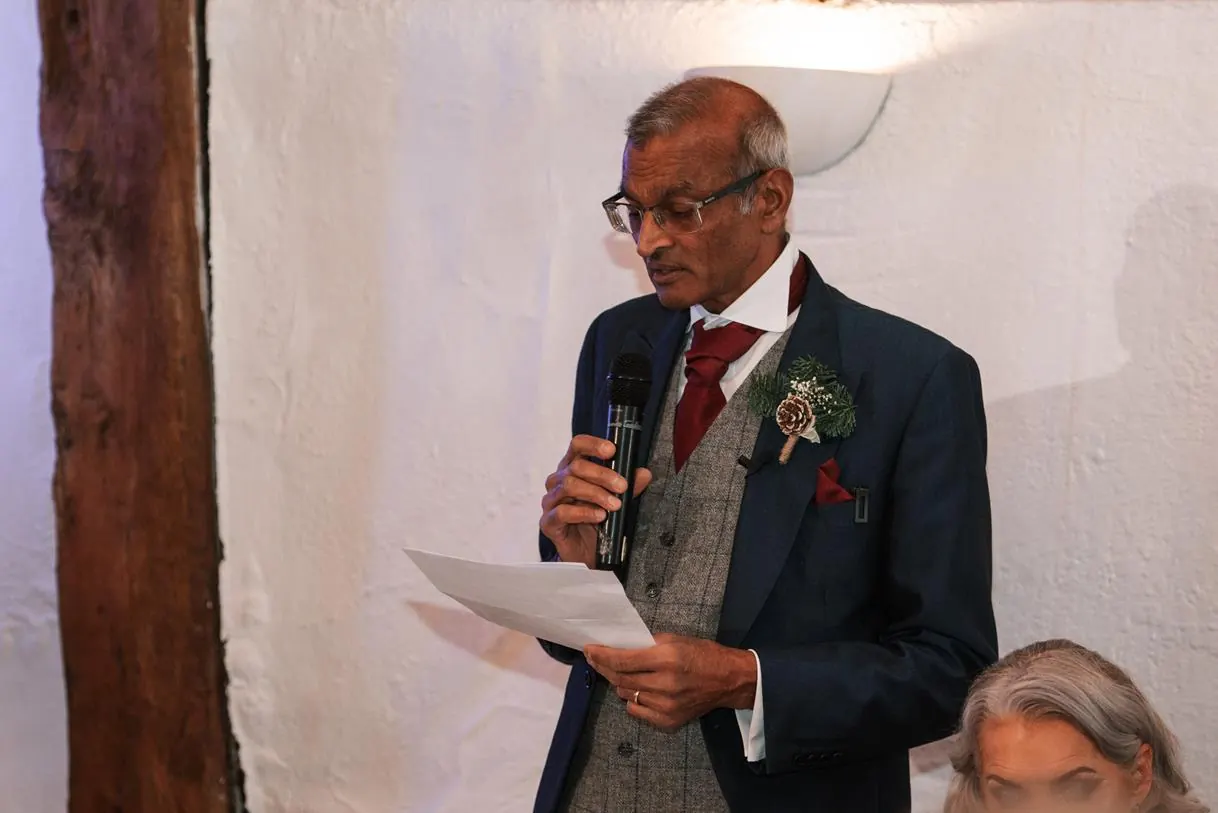
- How do you capture speeches: a feed from the venue’s PA, a recorder by the microphone, or both?
- Is there a backup if one recorder fails?
It also helps to tell your speech-givers to use the microphone properly, and to plan readings and speeches into your timeline so your filmmaker knows when to be ready. Our post on planning a wedding day timeline for photos and film has more on this.
Ask your venue first
Before you sign with a filmmaker, email your ceremony and reception venues to ask about filming rules, where crew can stand, sound system access and parking for suppliers. Forward the answers to your shortlist. It saves surprises on the day.
Shortlisting your London wedding videographer
Narrow it down to two or three people whose full films you love, then have a call with each. Notice whether they ask about your venue’s rules. Someone who knows how London weddings run will raise permits, parking and sound before you have to.
If you’re planning a London wedding and would like to see whether our approach to film suits you, have a look at our packages or drop us a line through our contact page. We’re always happy to talk it through.
Sources: Camden Council: Your ceremony, Camden Register Office; Hounslow Council: Frequently asked questions, civil ceremonies; Wandsworth Council: Marriage ceremony guide; Church of England: Filming a wedding; The Royal Parks: Policy on filming and photography (March 2026); The Royal Parks: Wedding and lifestyle photography; The Royal Parks: The use of unmanned aerial systems in The Royal Parks; Film London: Aerial filming and filming with drones; CAA: Drone Code, where you can fly; TfL: ULEZ, where and when; TfL: Congestion Charge. Rules and charges change; check with your venue and the official sites when you book. Checked November 2026.
Keep reading
More from the journal.
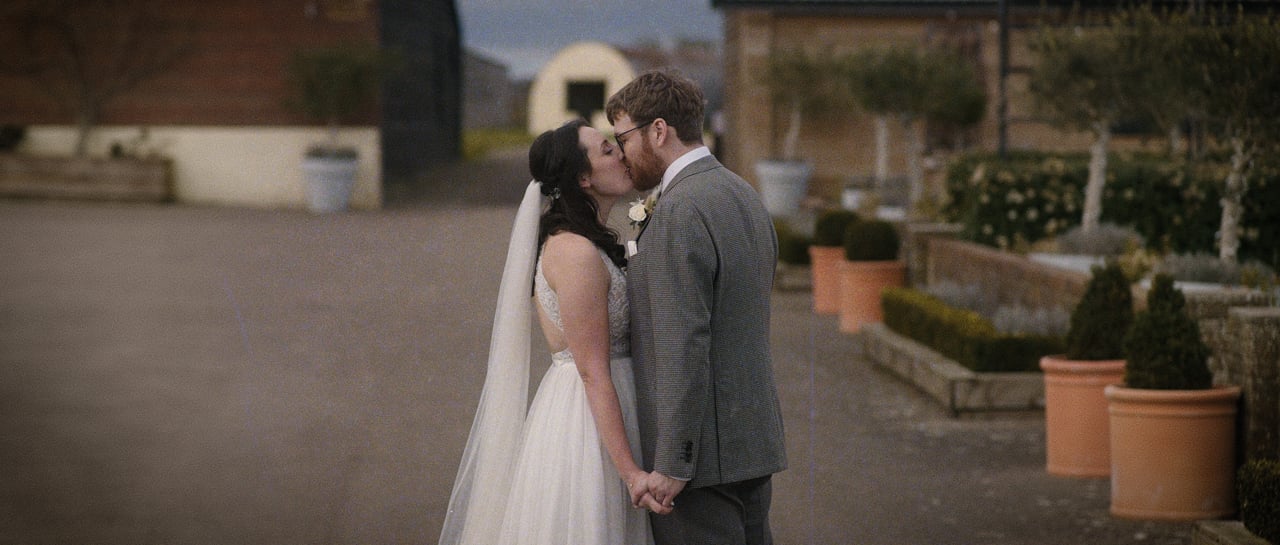
Real wedding: Abby + Luke’s wedding film
A look back at Abby and Luke’s wedding film, from getting ready to the dance floor, and what they had to say about the day.
Wedding Venues Near London: Countryside Within an Hour
Five countryside wedding venues within reach of London, from a council-run barn in Ruislip to Hever Castle and Cliveden, with published capacities and costs.
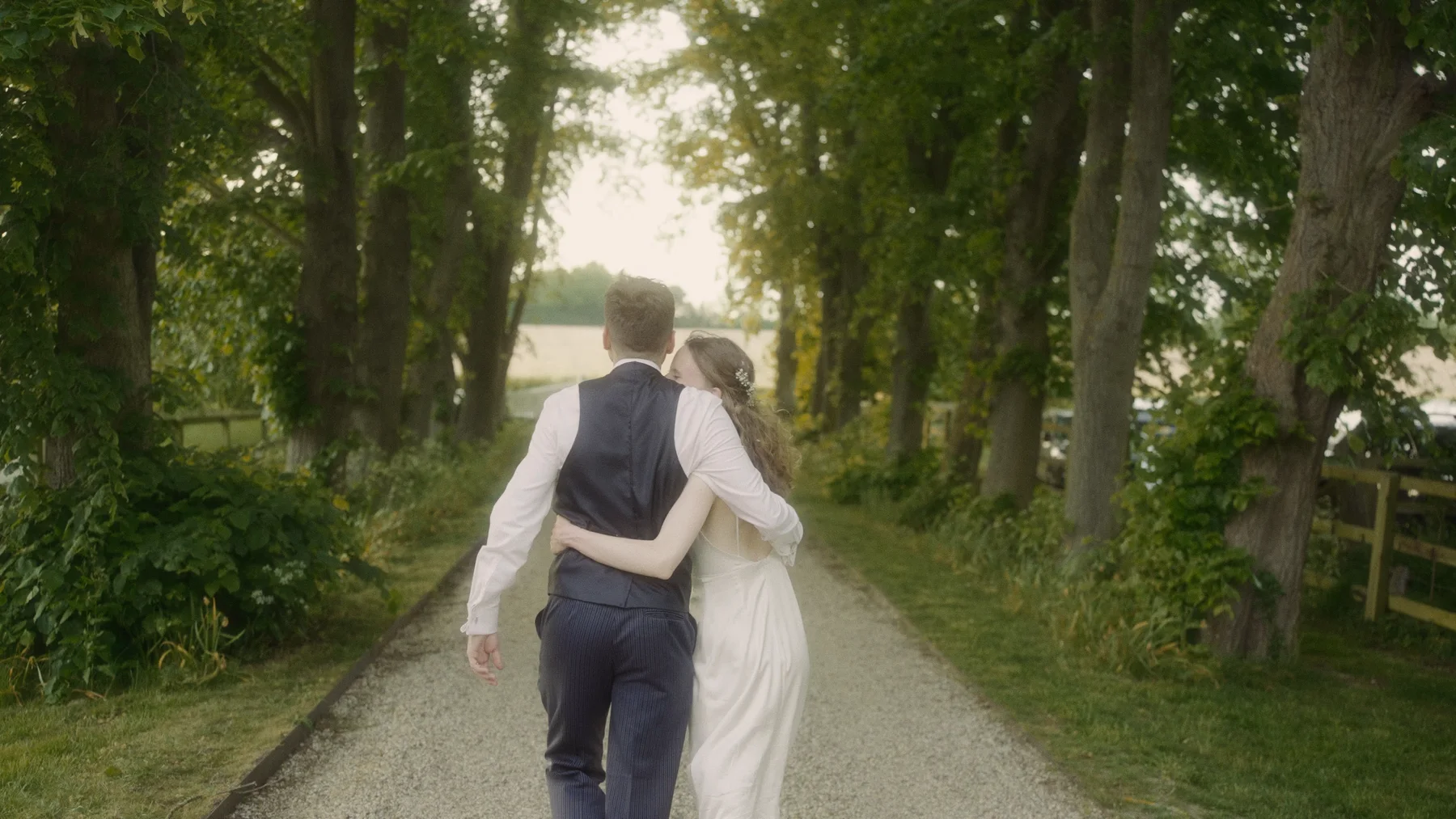
Charlotte & Dom’s Old Hall wedding: one more hour on the dance floor
A church ceremony in Ashdon, vintage buses to Old Hall and dancing so good that Sam stayed an extra hour. Charlotte and Dom’s wedding, captured on film.
Planning your wedding?
Let’s hear about your day.
Tell us your date, your venue and what you have in mind. Photography, film, content creation, or all three.