
JournalPhotography & Film
Destination Wedding Videographer: Filming Your Day Abroad
A destination wedding videographer does everything a UK videographer does, plus solves a set of problems that only show up abroad: wind on a clifftop ruining your vows, drone rules that change at the border, camera batteries that can’t go in the hold, and a long, warm evening that runs well past the usual finish. If you’re getting married abroad and want a film, the questions to ask are less about cinematic style and more about how they’ll capture clean audio, what they’re allowed to fly, and how they’ll get their kit there safely.
We’ve written separately about choosing a destination wedding photographer, which covers travel costs, passports and working rules. This guide focuses on what’s different when you’re filming your day abroad, so you know what a good destination wedding videographer should already have thought about.
Why film matters more at a destination wedding
Destination weddings are often smaller, and some of the people you love most may not be able to travel. A film is the one thing you can share with them that carries the sound of the day: your vows, the speeches, the waves or the cicadas, everyone singing along at midnight. Photos show how it looked. Film lets the people at home hear it.
It’s also a longer day than most UK weddings. Welcome drinks, a late ceremony to avoid the midday heat and a party that runs into the night are common, so think about coverage hours as well as style. If you’re still weighing up whether film is worth it at all, our post do we need a wedding videographer? is an honest place to start.
Sound: the part of a destination wedding videographer’s job you don’t see
The most common thing that spoils a wedding film abroad isn’t the picture. It’s the sound. Outdoor ceremonies by the sea or on a hillside mean wind, and wind across a microphone can make vows hard to hear. Ask any destination wedding videographer:
- How do you record the vows? Look for small clip-on microphones on whoever is speaking, or on the celebrant, backed up by a second recorder. One camera microphone at the back isn’t enough outdoors.
- How do you deal with wind? Wind covers on microphones help a lot. So does placing the ceremony with some shelter behind you, if your planner can.
- How will you record the speeches? Many villas and beach venues use a band or DJ PA system. Ask whether they’ll take a feed from the sound desk as well as their own recorder.
- What about a celebrant or registrar speaking another language? Agree in advance whether you want the whole ceremony in the film, or just the parts in English.
Drones abroad: what the rules mean for your film
Aerial shots of a coastline or a hilltop venue are one of the big draws of filming abroad, but drone rules are set by each country, not by the UK. A UK drone pilot can’t assume their UK paperwork covers them everywhere.
In Spain, for example, the Spanish aviation safety agency (AESA) says operators from outside the EASA member states must register as a drone operator in the first member state where they intend to fly, and can’t be registered in more than one member state at a time. In the open category they also need their operator number on the aircraft, trained pilots, civil liability insurance, and to check location-specific restrictions. Spain also has geographical zones covering things like urban areas, controlled airspace and restricted areas, shown in the ENAIRE drones app.
What that means for you:
- Ask your videographer whether they’ve checked the drone rules for your country and venue, and whether they’re registered where they need to be.
- Ask the venue too. Plenty of venues have their own rules, and some are close to airports or protected areas.
- Treat drone shots as a bonus, not a promise. Wind, rules or guests nearby can all mean the drone stays in the bag, and a good videographer will say so up front.
Our own packages include drone coverage where it’s possible, and that “where possible” matters even more abroad.
Getting the kit there: batteries, luggage and backups
Film kit runs on lithium batteries, and airlines are strict about them. According to the UK Civil Aviation Authority, spare lithium batteries and power banks must go in hand luggage, not the hold. Spares up to 100Wh are allowed without the airline’s approval, those over 100Wh and up to 160Wh need the airline’s approval, and there’s a limit of two spare batteries per person, each protected against short circuits. Power banks are also limited to two per person and can’t be recharged on board.
Why this matters to you: a videographer who flies with fewer spare batteries needs to be able to charge on site. It’s worth asking:
- How will you carry enough batteries for a long day, and where will you charge them?
- Will you bring backup cameras and audio recorders in case something is lost or damaged in transit?
- How do you back up footage while you’re away, so a lost bag doesn’t mean a lost film?
- Have you checked whether your equipment needs declaring for this country? Our destination photographer guide covers equipment paperwork in more detail.
Ask when they’re arriving
Just as with photography, a videographer who arrives the day before has time to see the light at your venue, check where the sun sets and test the sound in your ceremony spot. Arriving on the morning of the wedding leaves no room for a delayed flight.
Planning your day for a better film
A few choices made months ahead make a real difference to how your film turns out:
- Ceremony time. Midday sun abroad is harsh on faces and hot for guests. A later ceremony usually gives softer light and a cooler, happier crowd.
- Golden hour. Leave ten or fifteen minutes free around sunset for the two of you. It’s often the most beautiful part of a destination film.
- Speeches before dinner or between courses. Once the music starts outdoors, speeches get harder to hear and film.
- The extra days. Welcome drinks or a pool day often give the most relaxed footage of your friends and family. Ask what it costs to add them.
- Music. Talk about what music you’d like in your film early on. Your videographer should explain how they license the music they use.
Our wedding day timeline for photos and film has more on building a day that works for both.
Questions to ask a destination wedding videographer
- Can we see a full film from a wedding abroad, not just a teaser?
- How will you capture our vows and speeches outdoors?
- Have you checked the drone rules for our country and venue?
- When will you arrive, and what happens if your flight is cancelled?
- Does your insurance cover working and carrying equipment abroad?
- What’s included, and what are the travel costs on top?
- Will you work alongside our photographer, or can one team do both?
Photo and film from one team
We’re Sam and Sofia, a photo and film team based near Colchester. Most of our weddings are in Essex, Suffolk and London, and we also travel for destination weddings. Because there are two of us, you can have photos and film from the same team, planned together, so nobody is fighting for the same spot at the front of the aisle. If you’re comparing costs, our guide to wedding photography and videography costs in the UK may help.
Planning a wedding abroad? Have a look at our packages or tell us where you’re heading. We’ll give you an honest quote, travel included, with no pressure to book.
Sources: AESA (Spanish Aviation Safety Agency): How to fly a UAS in Spain; UK Civil Aviation Authority: Items that are allowed in baggage. Drone and airline rules change and vary by country and airline, so check the latest guidance before you travel. Checked October 2026.
Keep reading
More from the journal.
Places to Marry in Essex You Might Not Have Considered
A castle keep, a windmill, a 1911 cinema and a pier: licensed Essex venues off the usual list.
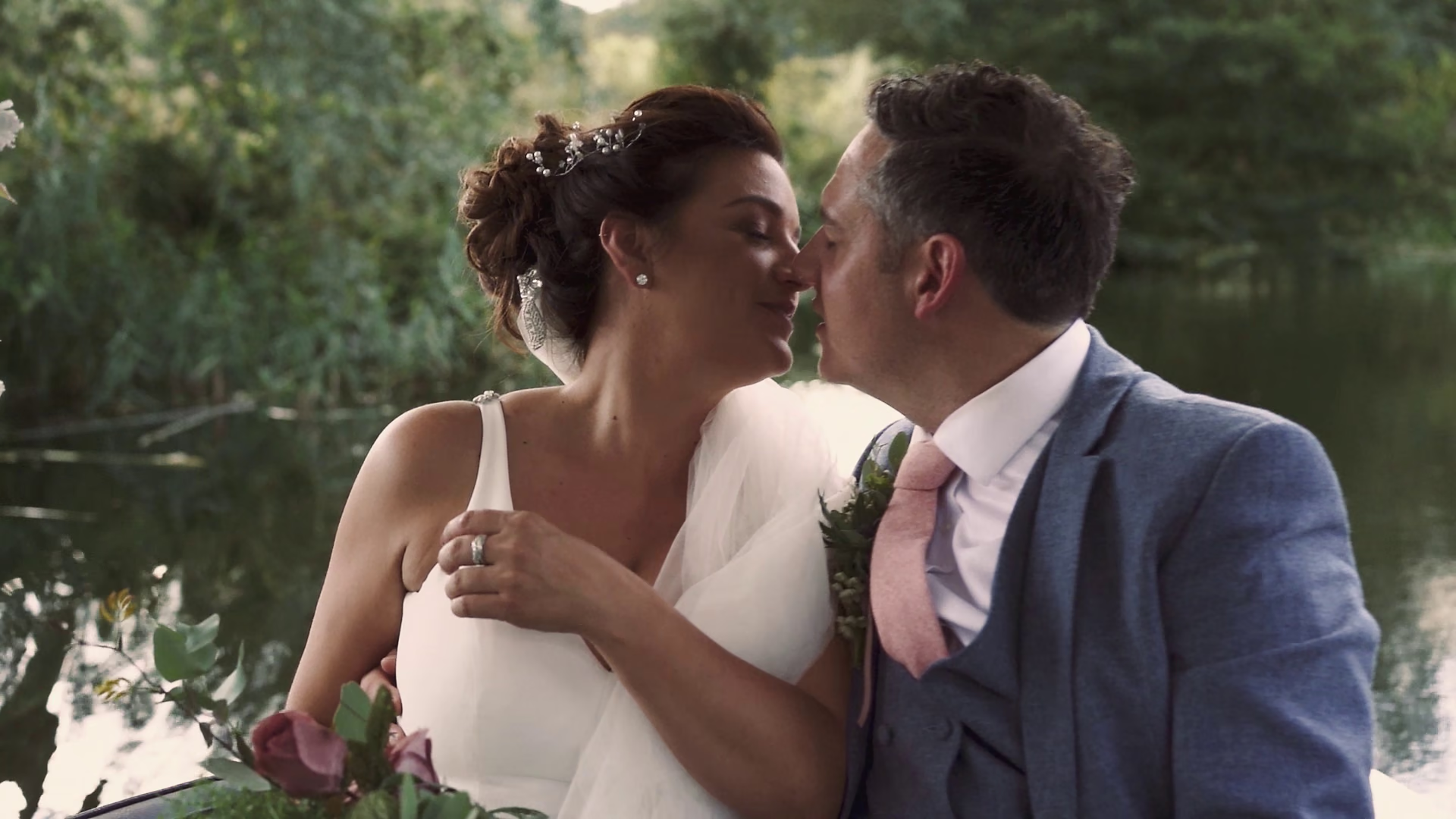
Jo & Andy’s Le Talbooth wedding: from Colchester to the River Stour
The story of Jo and Andy’s September wedding: getting ready, marrying at Colchester Town Hall and arriving by boat for their Le Talbooth reception in Dedham.
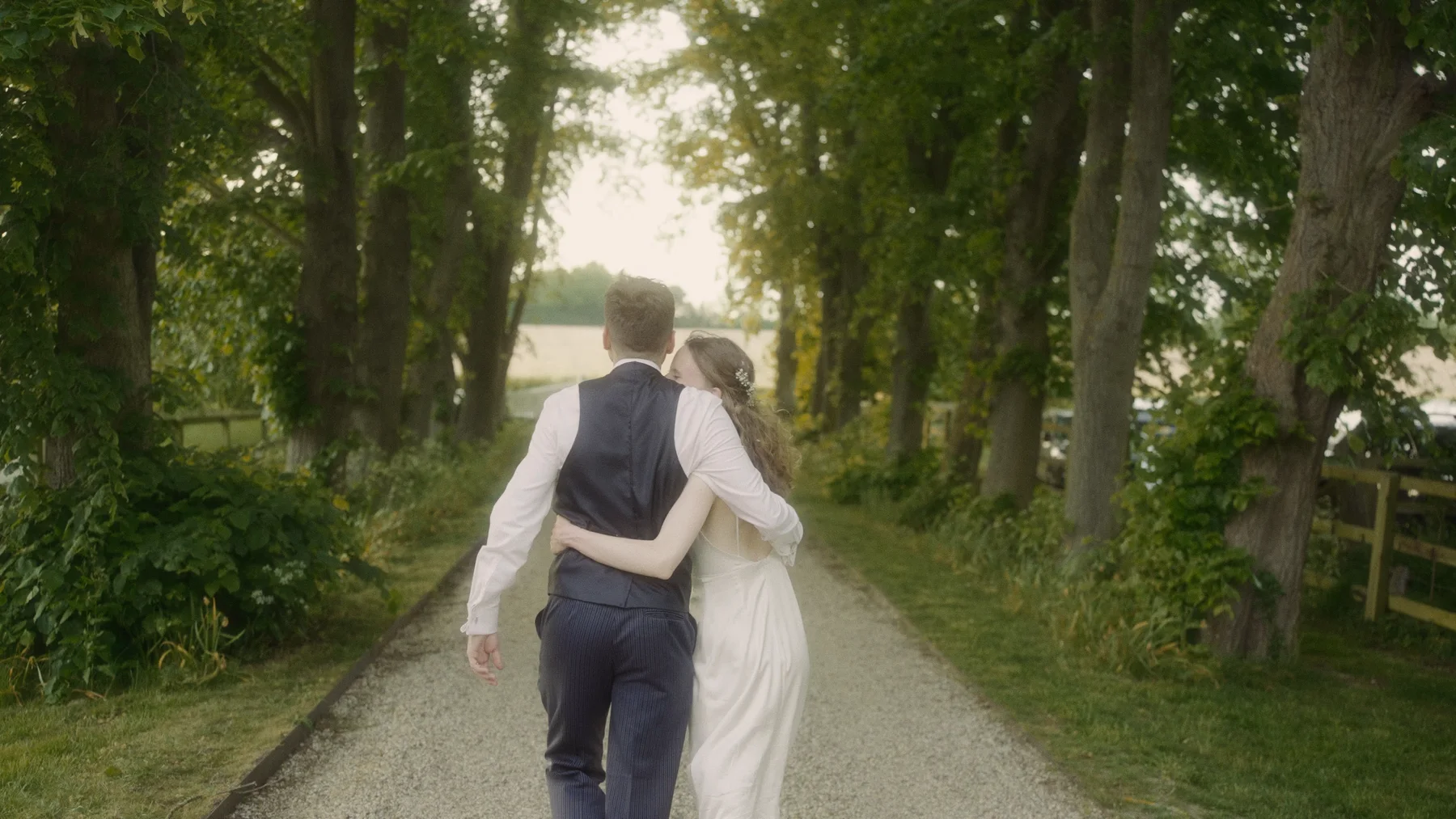
Charlotte & Dom’s Old Hall wedding: one more hour on the dance floor
A church ceremony in Ashdon, vintage buses to Old Hall and dancing so good that Sam stayed an extra hour. Charlotte and Dom’s wedding, captured on film.
Planning your wedding?
Let’s hear about your day.
Tell us your date, your venue and what you have in mind. Photography, film, content creation, or all three.