
How to Propose: Ideas, Timing and How to Get It on Camera
If you’re working out how to propose, the honest answer is that the best proposals are the ones that feel like the two of you, not the ones that go viral. Pick a place that means something, choose a moment when you won’t be rushed or crowded, keep the words simple and from the heart, and if you’d like it on camera, set that up quietly in advance so you can forget about it on the day.
Below we go through proposal ideas for different personalities, how to choose the timing and the ring size without giving the game away, the practical bits people forget, and how to capture the moment on camera, whether that’s a hidden photographer or a phone propped on a wall. We photograph and film weddings for a living, so the camera section is where we can help most.
How to propose: start with your partner, not the idea
Before you look at a single idea, think about the person you’re asking. A few questions help:
- Private or public? Some people would love a crowd cheering. Others would hate it. If you’re not sure, go private. You can always celebrate with everyone afterwards.
- Do they want to look nice? If they’d be gutted to be photographed straight off a muddy walk, find a reason for you both to dress up a little.
- Do they want family there? Some couples love a surprise party straight after; others want an evening alone first.
- Have they mentioned anything? A place they love, a ring style, or a firm “please never do it in a restaurant” are all clues worth taking seriously.
Proposal ideas for different couples
For the outdoorsy
A favourite walk, a viewpoint you always stop at, or a beach early in the morning before anyone else is around. Outdoor spots are free, personal and photograph beautifully, but have a plan B for rain and check the walk is manageable in whatever you’ll both be wearing.
For the homebodies
Proposing at home is underrated. Cook their favourite meal, fill the room with candles or photos of your time together, and ask when it’s just the two of you. No crowds, no pressure, and you can stay in your socks.
For the sentimental
Go back to where it started: the spot of your first date, the pub where you met, the street where you first said “I love you”. Retracing a few places from your relationship on the same day can build a lovely sense of story before the question.
For the adventurous
A city break, a hot-air balloon, a hike up a hill with a picnic at the top. Just think about the practicalities: carrying a ring through an airport, keeping it safe on a trip, and making sure the plan doesn’t depend on perfect weather.
For the family-minded
Propose privately, then walk into a gathering of close family and friends who are in on it. You get the quiet moment and the celebration, and nobody is put on the spot in public.
Timing: when to propose
There’s no right season, but a few things make a big difference:
- Avoid days that belong to someone else. A sibling’s wedding, a friend’s birthday or a family celebration can take the attention off both events.
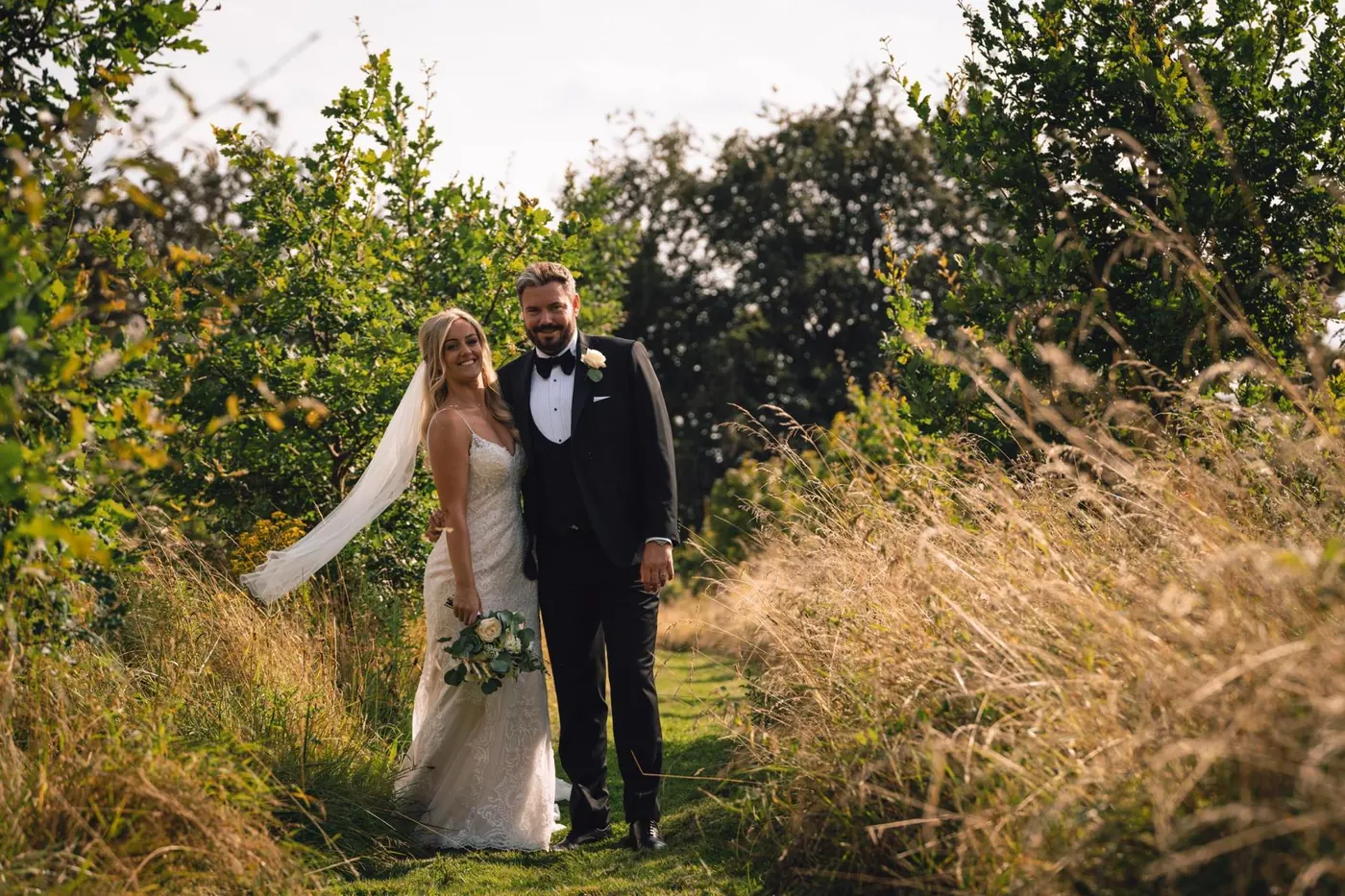
- Think about light. If you’d like photos, the hour or so before sunset gives soft, warm light that flatters everyone. Midday sun is harsh, and winter evenings get dark early, so check the sunset time for your date.
- Don’t rush it. Leave time after the question to actually enjoy it, rather than proposing ten minutes before a dinner reservation across town.
- Christmas and Valentine’s Day are popular for a reason, but some people would rather their proposal had its own date. You know your partner best.
The ring: sizing without giving it away
A few low-risk ways to get close:
- Borrow a ring they already wear on the same finger (and put it back where you found it).
- Ask a close friend or family member who can find out casually.
- Choose a jeweller that offers resizing after the proposal, and ask about the cost and timescale before you buy.
- Propose with a simple placeholder ring and choose the real one together so the final choice is one you make together.
Once you’ve got it, keep it somewhere safe and secret, and think about how it travels on the day. A ring box makes a very obvious square in a trouser pocket.
How to get your proposal on camera
This is where a little planning pays off. You have three main options.
A hidden photographer
A professional poses as a tourist or passer-by and photographs the moment from a distance with a long lens, then usually takes a few relaxed photos of you both afterwards. Agree on an exact spot in advance, share a photo of your partner and what they’ll be wearing, and agree a signal so the photographer knows the moment is coming. Before you book, ask to see examples of proposals they’ve captured, not just weddings.
A friend in on the secret
A friend nearby with a phone can work well, especially somewhere busy where they’ll blend in. Ask them to record video rather than photos, so they can’t miss the moment, and to start recording early. Stills can be taken from good video later.
A phone on a tripod
For a proposal at home or somewhere quiet, a phone on a small tripod or propped on a wall can capture it all. Start recording a few minutes before, film in landscape, check the frame and the light first, and make sure the spot where you’ll kneel isn’t behind your partner’s back. It helps if you turn slightly so the camera can see their face, since their reaction is the bit you’ll want.
Camera checklist
Pick the exact spot and check what’s behind you. Make sure the light is in front of you, not behind. Tell whoever is filming to start early and keep going after the “yes”. Silence the phone so a notification doesn’t stop the recording. And have a back-up plan if the weather turns.
Filming somewhere public: check the rules
Ordinary photos in public are usually fine, but a hired photographer in certain places may need permission. The Royal Parks in London, for example, require a permit for engagement, wedding and portrait photography in the parks, with at least 10 days’ notice, public liability insurance of at least £5 million, and permits issued for one hour and up to 10 people. Its page doesn’t mention proposals by name, so check with the park first. Many stately homes, gardens and private venues have their own rules too, so it’s worth asking before you plan around a particular spot.
If you’re thinking about a drone shot, the rules tightened on 1 January 2026. The Civil Aviation Authority says anyone flying a drone over 100g now needs a Flyer ID, which means passing a free online theory test, and new drone owners must register for an Operator ID. If a friend is flying, make sure they’re legal and that drones are allowed where you’ll be.
What to say
Keep it short and honest. A few sentences about what they mean to you, a memory or two, and then the question, clearly. You don’t need a speech; nerves make long ones hard to get through. It can help to remember three things they want to say rather than learning lines.
And afterwards, enjoy it. Put your phones away for a while before you tell the world.
After the yes
Once the excitement settles, wedding planning starts creeping in. When you’re ready, our month-by-month wedding checklist and guide to budgeting for a wedding are good first reads. If you’re in Essex, Suffolk, London or planning something further afield and you’d like your wedding photographed or filmed, have a look at our packages or say hello. Congratulations in advance.
Sources: The Royal Parks, Wedding and lifestyle photography; Civil Aviation Authority, New drone rules from 1 January 2026. Checked November 2026.
Related guides
More on planning & budget.
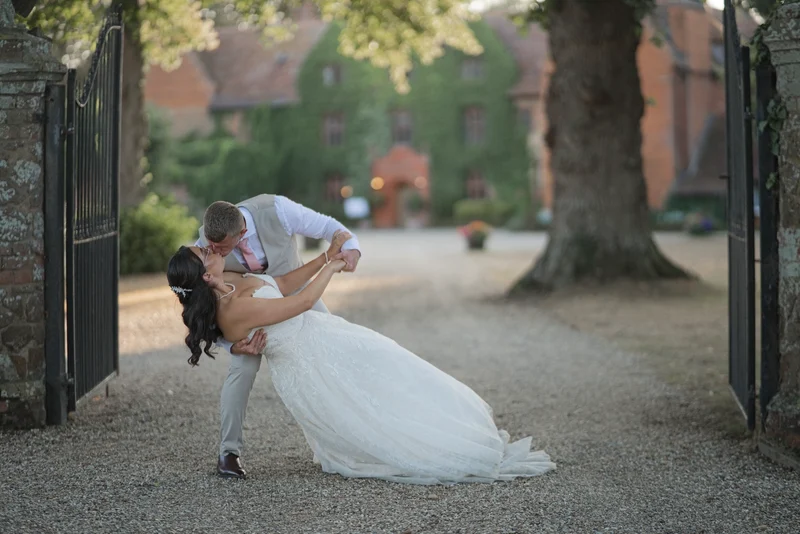
What Knee Do You Propose On? Left, Right and Why
The left knee is traditional, the right is fine, and you don't have to kneel at all: here's why, plus how to kneel steadily and look good in photos.
What Is a Wedding Breakfast? (Spoiler: It’s Not Breakfast)
The main meal after your ceremony, whatever the time: where the name comes from, when it happens, the styles to choose from and what it costs.
The Wedding Checklist UK Couples Actually Need (Month by Month)
A month-by-month wedding checklist for England and Wales, with the legal notice rules, banns and passport timings checked this month.
Planning your wedding?
Let’s hear about your day.
Tell us your date, your venue and what you have in mind. Photography, film, content creation, or all three.