
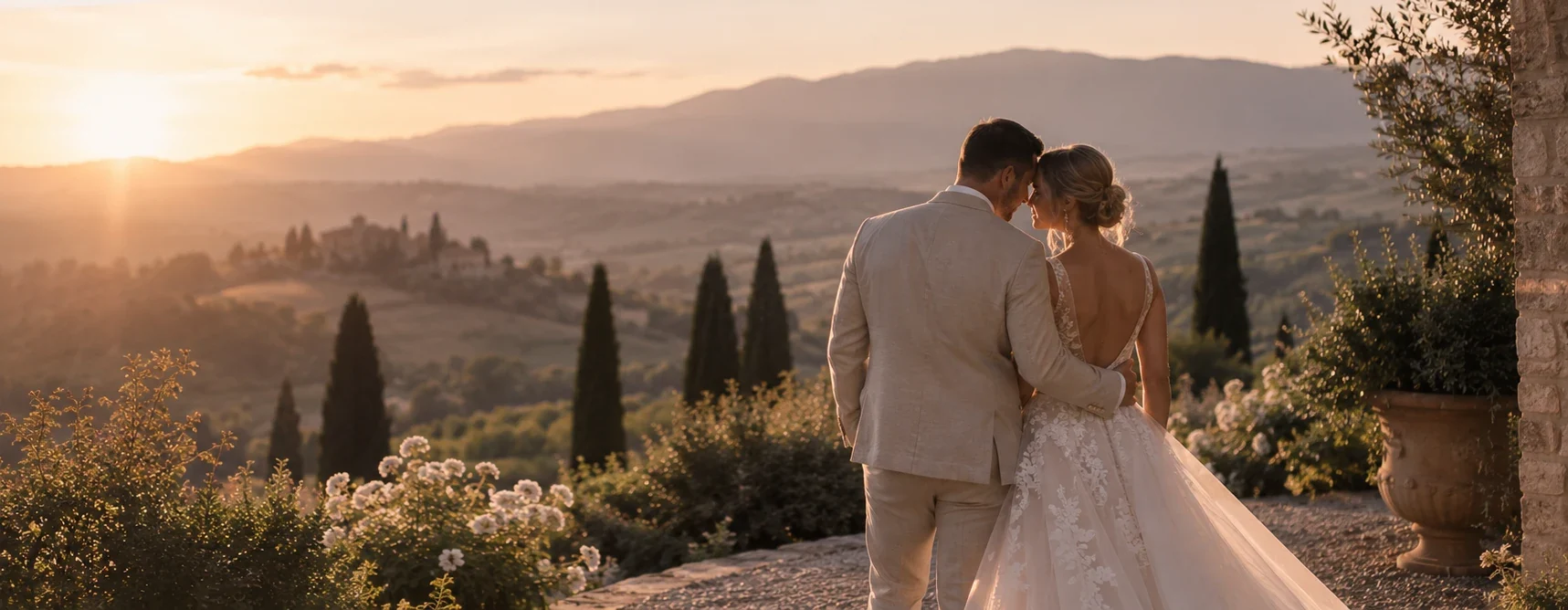
Rustic wedding venues are places with a natural, lived-in feel: timber barns, working farms, woodland clearings, orchards, tipis and marquees on open grass. The look is relaxed and warm, but it often comes with practical catches, such as mud, cold, poor lighting, limited toilets and whether you can actually get married there legally. The good news is that most of these are easy to solve if you ask the right questions before you book.
This guide covers the main types of rustic wedding venues, the legal points for England and Wales, the pitfalls that are easy to overlook, and how to get the look even if your venue isn’t rustic at all. We’re not recommending specific venues here; these are general points to help you shortlist, so always check details directly with the venue.
Types of rustic wedding venues
“Rustic” covers a wide range, and each type comes with its own strengths and quirks.
- Converted barns. The classic choice: beams, exposed brick, festoon lights. Many are fully licensed with kitchens, toilets and heating. We’ve written a separate post on barn wedding venues in Essex and Suffolk if that’s your focus.
- Working farms. Often more relaxed and sometimes cheaper, but facilities vary a lot. Some are polished event spaces; others are a field and a water tap.
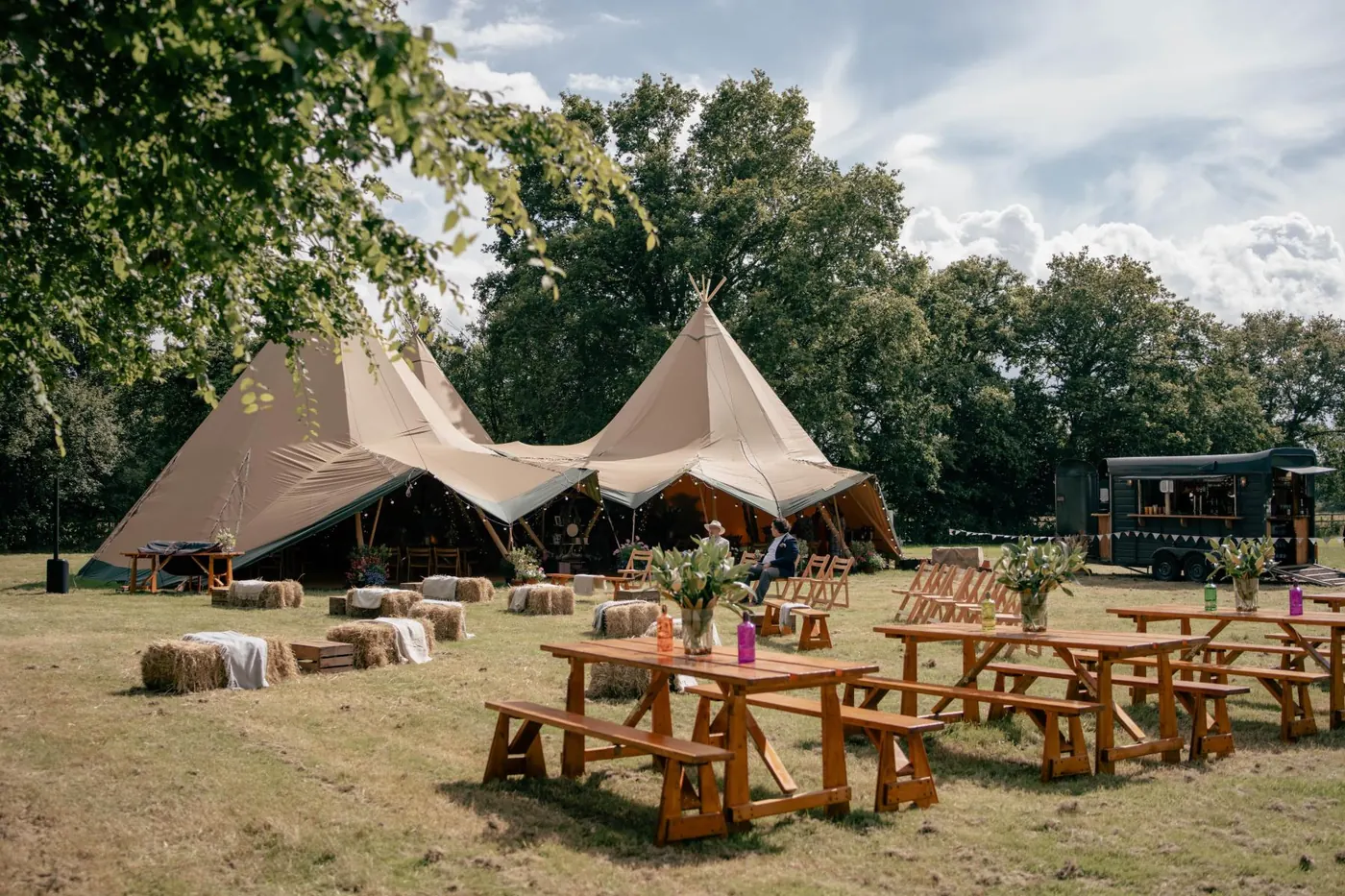
- Tipis and stretch tents. Usually hired in and put up on a venue’s land or a private field. They give a festival feel and can be opened up on warm days.
- Marquees. More enclosed than a tipi, with options for flooring, lining and heating. A good fit for a family garden or farmland.
- Woodland and orchard venues. Beautiful dappled light, but often limited shelter and darker evenings under the trees.
- Country pubs and inns. A cosy, rustic feel with a bar and kitchen already sorted, usually for smaller numbers.
Can you legally get married at a rustic wedding venue?
For a civil ceremony in England and Wales, the venue must be an approved premises licensed by the local council, or you marry at a register office. GOV.UK guidance for venues explains that approved premises can now hold ceremonies in linked outdoor areas, meaning land within the boundary of the property, so a licensed farm or barn can often hold the ceremony in its own orchard or meadow. The guidance also says ceremonies can’t take place on nearby land, such as an adjacent forest or park, and the venue must get confirmation from the superintendent registrar that the outdoor spot is “seemly and dignified” before it’s used.
A few other points from the same guidance are worth knowing:
- A fully outdoor ceremony with no structure is allowed.
- Semi-permanent structures are allowed, and there’s no longer a requirement for them to have at least 50% open sides.
- Food and drink can’t be sold or consumed by guests in the immediate ceremony area during the ceremony.
If the field, woodland or family farm you love isn’t licensed, you can still hold a celebrant-led ceremony there and do the legal part separately at a register office. Our guide to unusual wedding venues explains this in more detail.
The pitfalls to check before you book
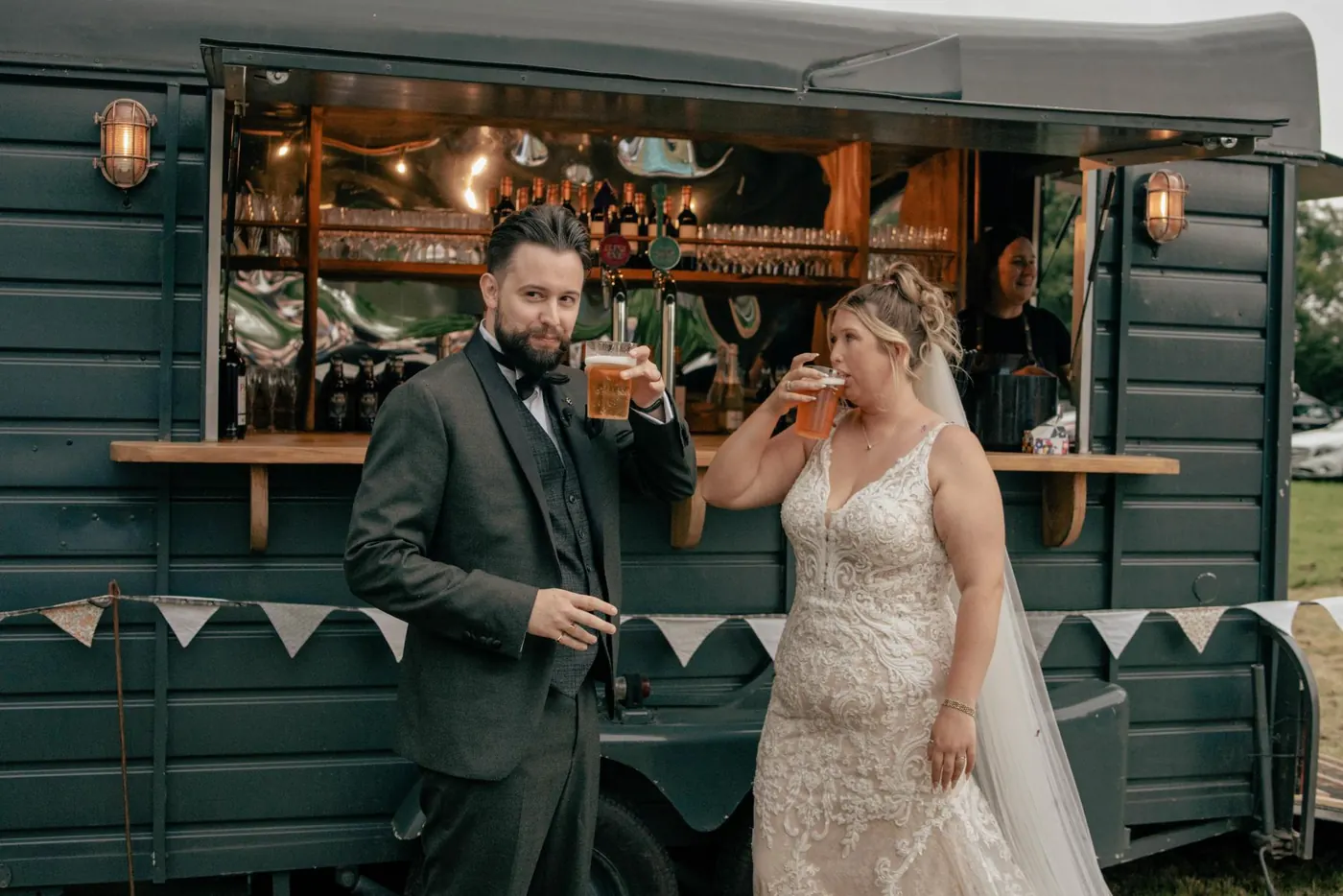
Alcohol and music licences
A venue that isn’t licensed to sell alcohol or put on entertainment may need a Temporary Event Notice (TEN). According to GOV.UK, a TEN covers events with fewer than 500 people at all times, including staff, lasting no more than 168 hours. It costs £21 and should be given to the council at least 10 clear working days before the event. Ask the venue or your bar supplier who is responsible for this, and get it in writing.
Mud, weather and a wet-weather plan
Grass that looks perfect in June can be soft and slippery in October. Ask about hard standing for cars, walkways to the toilets and what happens if it rains during an outdoor ceremony. A good venue will show you exactly where the ceremony moves to and how quickly it can be set up.
Heating and cold evenings
Barns, tents and marquees can be chilly once the sun goes down, even in summer. Check what heating is included, whether there are blankets or a fire pit, and whether you need to hire anything extra.
Toilets, power and water
For field and farm weddings, these are often extras you arrange yourself. Ask how many toilets there are for your guest numbers, whether power comes from the mains or a generator (generators can be noisy, which matters for speeches and film), and where caterers will get water.
Lighting after dark
Rustic venues can get very dark in the evening. Festoon lights, lanterns and fairy lights do more than look pretty: they help guests find their way and make evening photos possible without blasting everything with flash. Ask what lighting is already in place, inside and out.
Access and parking
Narrow lanes and gravel tracks can be tricky for coaches, older guests and anyone with mobility needs. Check how far it is from the car park to the ceremony and reception spaces, and whether there’s an accessible route.
What’s actually included
Some rustic venues are “dry hire”, meaning you get the space and organise everything else, from tables and chairs to catering and clean-up. That can be good value, but it adds work. Ask for a full list of what’s included, what you must hire, and whether there’s a list of approved suppliers. If budget is the main concern, our guide to cheap wedding venues may help.
Visit at the time of your wedding
If you can, see the venue at the same time of year and time of day as your wedding. A barn that glows at 3pm in July might be dark by 5pm in November, and a field can look very different after a week of rain.
How rustic wedding venues look in photos and film
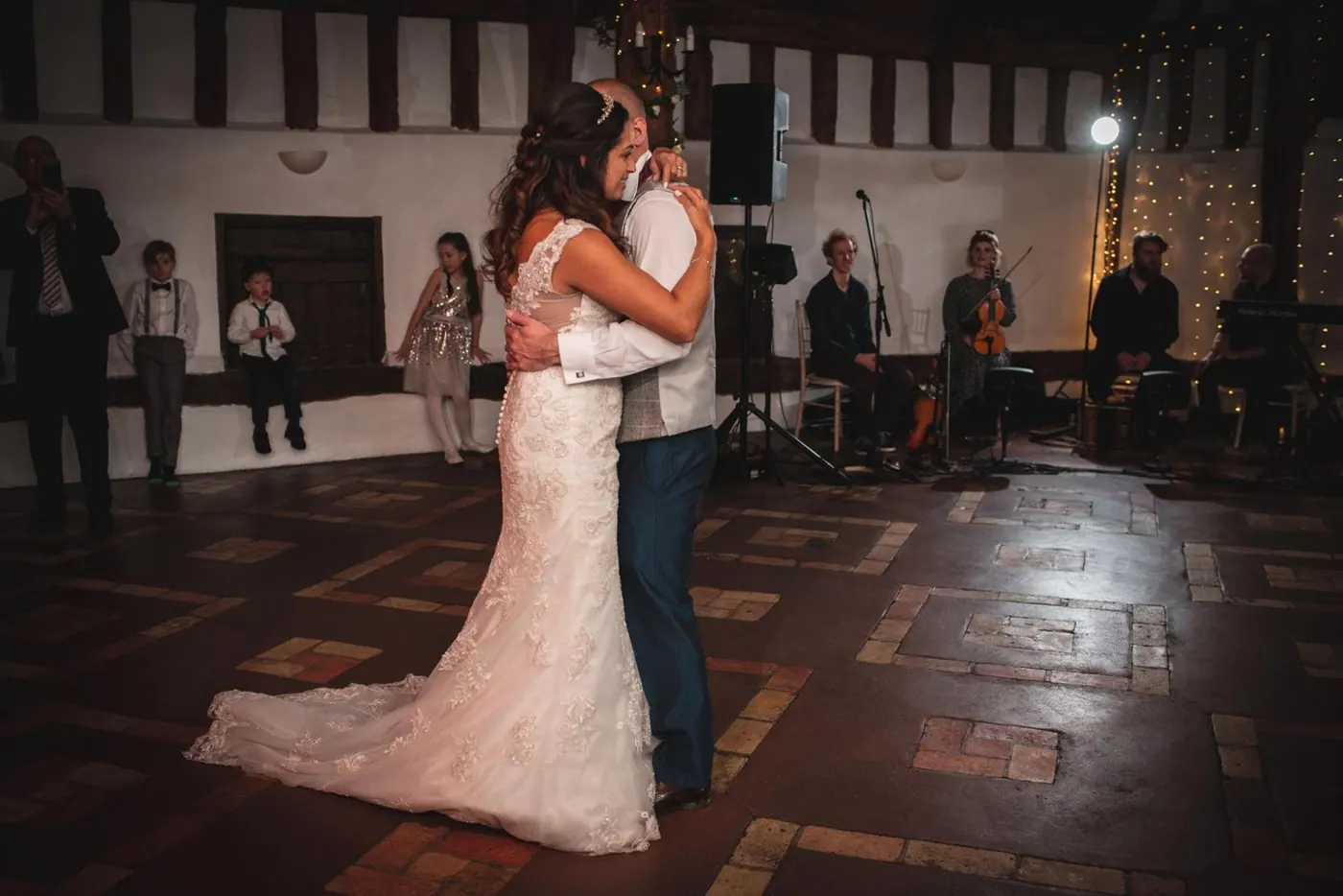
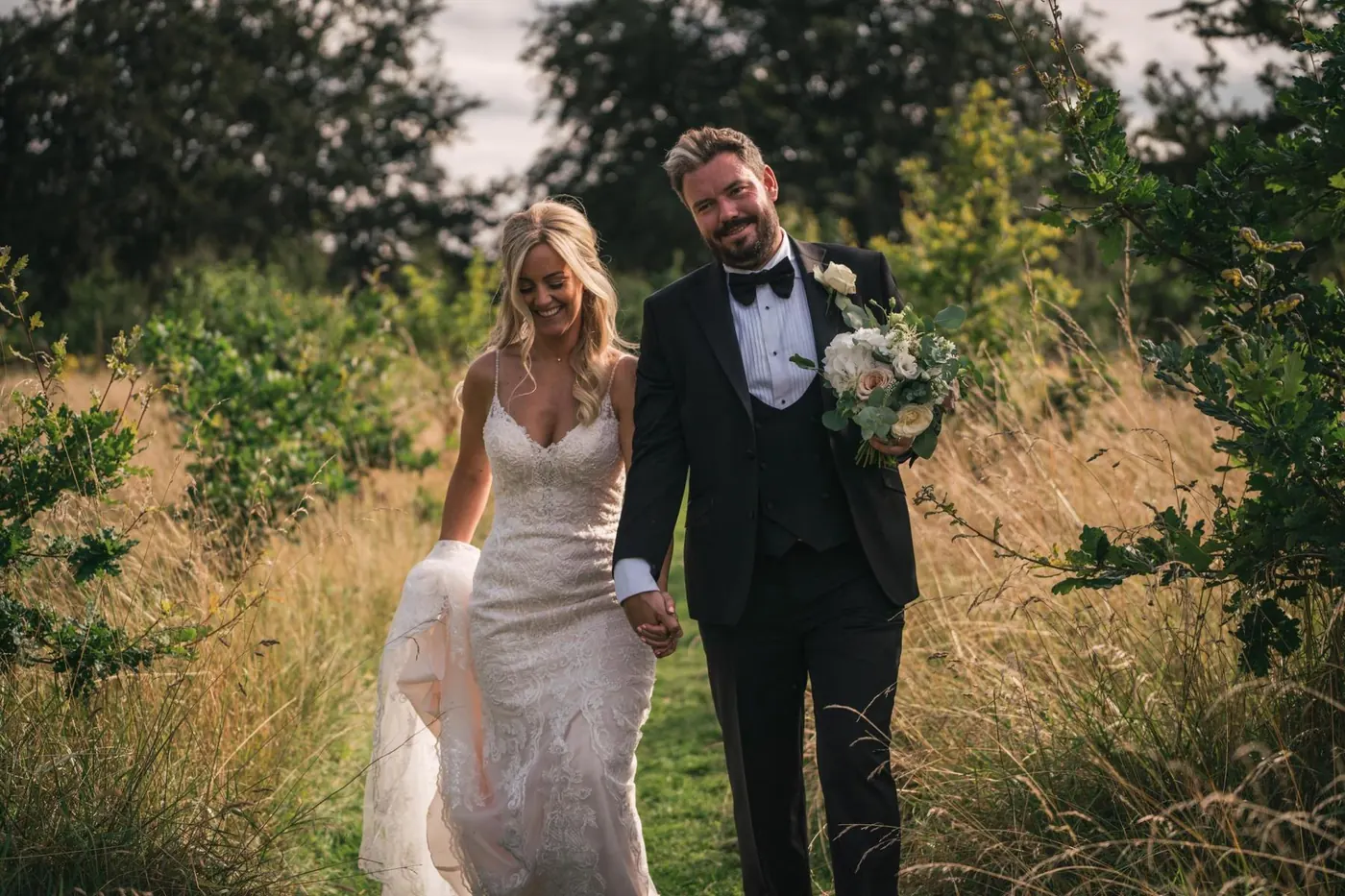
From behind the camera, rustic venues have real strengths: natural textures, soft light through barn doors and big open skies for portraits. The things to plan for are dark interiors, which make window light and good evening lighting important, and busy backgrounds like farm machinery or parked cars, which are worth tidying away from the main spots. If you’re planning a full day outdoors, building in time for portraits around sunset makes a big difference. Our wedding day timeline for photos and film shows how to fit that in.
Getting the rustic look anywhere
You don’t need a barn for a rustic feel. Wooden trestle tables, loose seasonal flowers, greenery runners, hay bales for extra seating, festoon lighting and simple stationery on kraft paper can bring the look into a hotel, village hall or garden. Keep it simple and seasonal; rustic tends to look best when it doesn’t try too hard. For the bigger picture on choosing a space, see our guide to how to choose a wedding venue.
About us
We’re Sam and Sofia, a photo and film team based near Colchester, covering Essex, Suffolk, London and destination weddings. Rustic settings suit the way we work: relaxed, mostly documentary, with a short portrait session when the light is at its best.
If you’ve found a rustic venue and want photos or film that feel natural, have a look at our packages or get in touch. We’re happy to talk through your venue and the light you can expect on the day.
Sources: GOV.UK: Guidance for venues, outdoor civil marriage and civil partnership ceremonies; GOV.UK: Temporary events notice. Rules and fees can change, so check with your venue and council. Checked October 2026.
Related guides
More on venues.
Planning a Wedding Reception in Essex: Venues, Timings, Tips
Reception venue types, a sample timeline, Essex daylight, registrar fees and licensing for unlicensed venues.

Cheap Wedding Venues: Where to Look When the Budget Is Tight
Real 2026 prices for pubs, village halls, register offices and off-peak dates, plus the hidden costs to check.
Wedding Venues With Accommodation: Why Your Guests Will Thank You
How on-site rooms work, the questions to ask about room blocks and costs, and why staying over makes for a calmer day and better photos.
Planning your wedding?
Let’s hear about your day.
Tell us your date, your venue and what you have in mind. Photography, film, content creation, or all three.