
Looking for unusual wedding venues? Some of the most memorable places to get married are ones guests never expect: a 1911 cinema, a windmill, a historic ship, a castle, a vineyard or an island. Plenty of these are licensed for ceremonies already, and if your dream spot isn’t, you can still hold the legal part at a register office and celebrate wherever you like.
Below we explain what the law in England and Wales allows right now, give real examples of unusual wedding venues that appear on council approved lists near us and in London, and share the practical questions that matter most once the novelty wears off. We haven’t worked at every place mentioned here; these are public facts to help you shortlist, so always check details with the venue.
What makes a venue legal for a wedding in England and Wales
For a civil ceremony in England and Wales, the venue has to be a register office or an “approved premises” licensed by the local council. Since 6 April 2022, licensed venues can also hold civil ceremonies fully outdoors in their own grounds, as long as the spot is assessed as “seemly and dignified”. Before that, outdoor ceremonies had to happen under a permanent structure such as a bandstand. The change doesn’t cover land outside the venue’s grounds, so a random beach or hilltop is still off the table for the legal part.
Religious weddings follow their own rules: Church of England and Church in Wales weddings take place in churches and chapels, other faiths in certified places of worship, while Jewish and Quaker weddings can already happen outdoors.
Change may be coming. The government ran a consultation, “Tying the Knot”, from 16 July to 24 September 2026 on moving away from a system based on the building and towards one based on the person officiating. At the time of writing the responses are still being analysed and the law has not changed, so plan around the current rules.
Scotland is different
In Scotland, Citizens Advice explains that religious or belief weddings can take place anywhere, and civil weddings can take place in a registration office or anywhere agreed with the registrar, except religious premises. That’s why so many beach, forest and mountain-top weddings happen north of the border.
Unusual wedding venues on our doorstep in Essex
Essex County Council publishes a full list of approved venues, and it is a brilliant place to start if you want something different. A few that stand out:
- The Electric Palace, Harwich. The Harwich Society dates this cinema to 1911 and calls it one of the oldest unaltered purpose-built cinemas in Britain. It was listed in 1972.
- Hedingham Castle, Castle Hedingham. A castle setting without leaving north Essex.
- Castle Museum, Colchester. A museum setting in the centre of Colchester.
- Rayleigh Windmill, Rayleigh. A quirky option for couples who don’t need a ballroom.
- Osea Island. An island setting, if you love the idea of getting away from it all.
- Colchester Oyster Fishery, East Mersea. For seafood lovers and coastal couples.
- Dedham Vale Vineyard and Mersea Island Vineyard. Rows of vines instead of a function room.
- Chelmsford City Racecourse, Maldon and Tiptree Football Club and Harlow Rugby Club, for couples whose love story started in the stands.
- Essex Record Office, Chelmsford, and The Minories Gallery, Colchester, for history lovers and art fans.
Approved lists change as licences are granted and lapse, so treat this as a starting point and confirm with the venue and the council before you book.
Unusual wedding venues in London
Every London borough keeps its own list. The Royal Borough of Greenwich alone licenses the Cutty Sark ship, the National Maritime Museum (including the Queen’s House and the Royal Observatory), the Fan Museum, Severndroog Castle, the Old Royal Naval College, Eltham Palace, Woolwich Works, Greenwich Yacht Club and Davy’s Wine Vaults. If you have a borough in mind, search its council website for “approved wedding venues” and you will often find options you’ve never heard of.
Unusual venue, no licence? Split the day
If the place you love isn’t licensed, you don’t have to give it up. Many couples do the legal part first in a short register office ceremony, then hold a celebration with readings, vows and rings at the venue they actually care about. In Essex, a marriage or civil partnership at the Essex Register Office costs £68, including two certificates, compared with £730 to £795 for a registrar to attend an approved venue between April 2026 and March 2027. Fees are set locally, so check your own council.
The celebration afterwards can be led by a celebrant or a friend. It won’t be legally binding on its own, but it can be every bit as personal, and it frees you from the timing and wording rules of a civil ceremony.
Questions to ask an unusual wedding venue
Quirky venues are wonderful, but they are often not built for weddings. These questions save headaches later:
- Is the exact spot licensed? A venue may be approved for one room or one area of its grounds, not everywhere.
- How many guests really fit? Ask for seated capacity for the ceremony and the meal, not just standing numbers.
- What happens if it rains? Vineyards, islands and forts need a solid plan B.
- Access and timings. Islands and tidal roads, museums with public opening hours and racecourses with fixtures can all restrict when you can arrive and leave.
- Catering, power and toilets. Is there a kitchen, or will caterers need generators and facilities brought in?
- Accessibility. Historic buildings can mean steep stairs, narrow doorways and uneven floors. Think about older relatives.
- Restrictions. Many heritage venues ban confetti, candles or certain decorations to protect the building.
- Finish time. Some venues close early, which might mean moving on for the evening party.
How unusual venues look in photos and film
Character is the reason to choose an unusual venue, and it shows in pictures. A few things we always think about:
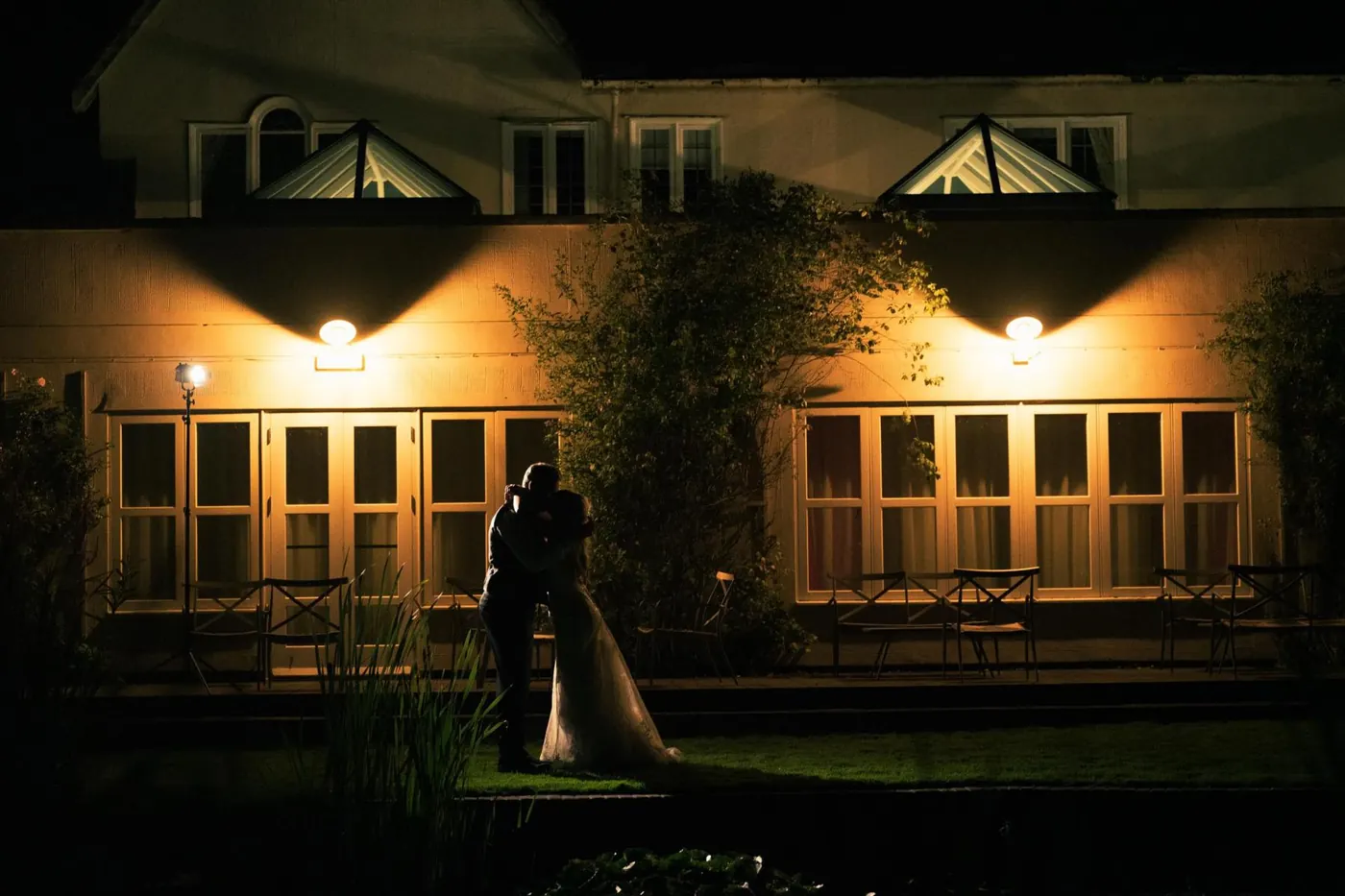
- Light. Cinemas, vaults and museums can be dark. That can look beautifully atmospheric, but tell your photographer early so they can plan, and ask whether house lights or windows can be used.
- Rules about cameras. Some heritage sites limit flash, drones or where suppliers can stand. Ask for the venue’s supplier guidelines before the day.
- Space to move. Narrow aisles and tight rooms affect where we can stand for the ceremony, especially for film.
- Time for portraits. If your venue has a striking exterior, a quiet moment there at golden hour is often worth more than an hour of posed groups.
- Sound. Echoey spaces and outdoor wind matter for the vows and speeches on film. A good videographer will mic you up either way.
Is an unusual venue right for you?
An unusual wedding venue works best when it means something to you, not just because it’s different. If you met at a football club, love old films or got engaged on a beach, that story will carry through every photo. If the venue would make the day harder for your guests, a more conventional space with one or two personal touches might be the better choice.
For more help comparing options, read our guides on how to choose a wedding venue, intimate wedding venues and cheap wedding venues, or our journal post on places to marry in Essex.
Found somewhere wonderfully different? We’d love to hear about it. Have a look at our packages and tell us about your plans.
Sources: GOV.UK: outdoor civil weddings and civil partnerships made permanent; GOV.UK: Tying the Knot consultation; Citizens Advice Scotland: getting married; Essex County Council: full list of approved venues; The Harwich Society: Electric Palace; Royal Borough of Greenwich: wedding and civil partnership venues; Essex County Council: book a registrar. Venue lists and fees change. Checked October 2026.
Related guides
More on venues.
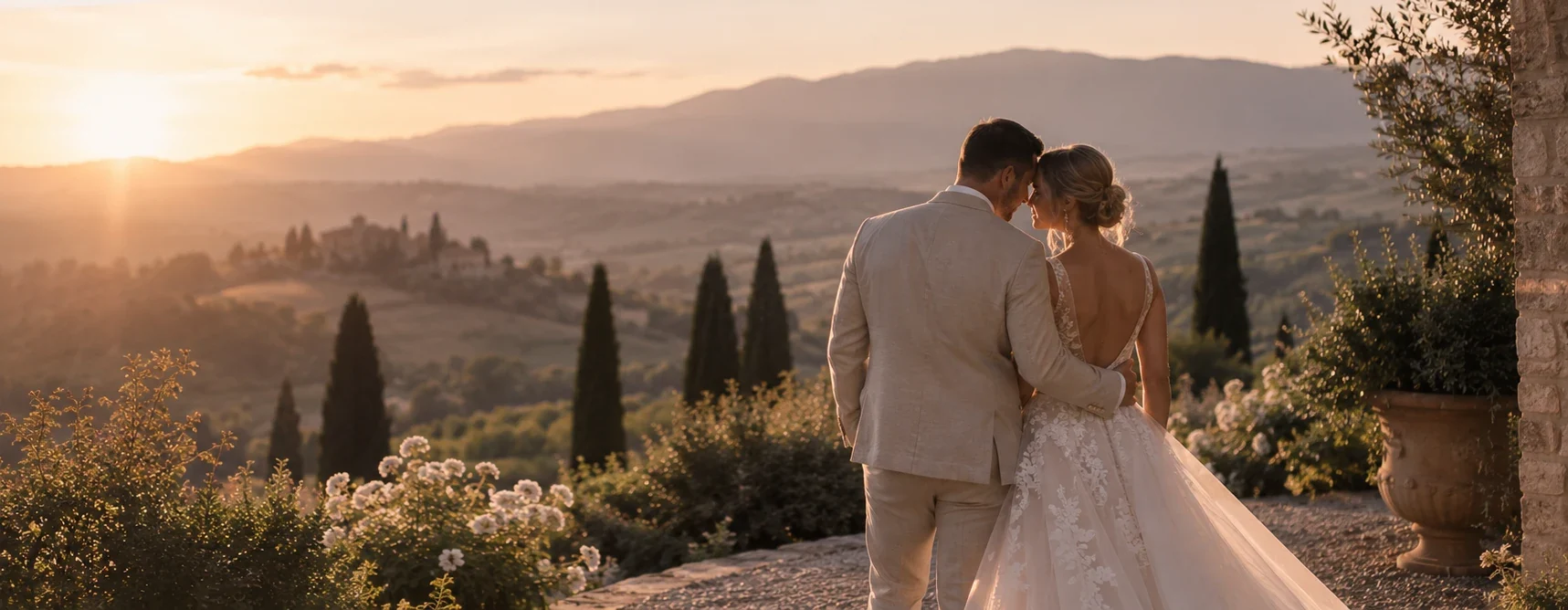
Rustic Wedding Venues: How to Get the Look Without the Pitfalls
Barns, farms, tipis and woodland: the legal points, practical checks and how to get the rustic look anywhere.
How to Choose a Wedding Venue: The 12 Questions Couples Wish They’d Asked First
The twelve questions to ask on every venue viewing, the hidden costs to check, and the red flags to walk away from.
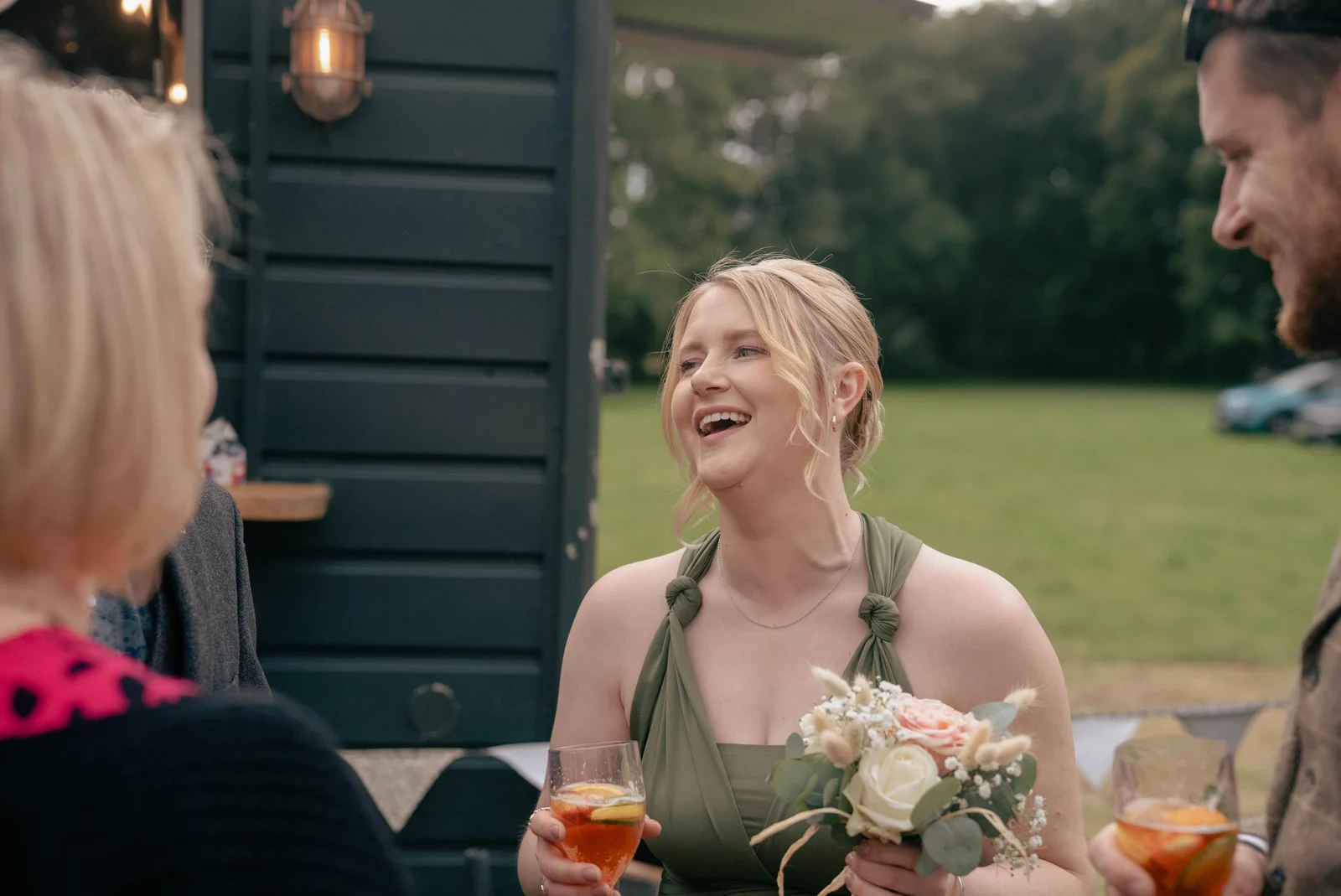
Intimate Wedding Venues: Why Smaller Weddings Make Better Photos
Types of intimate wedding venue, the legal bits, and how to make a small wedding feel special.
Planning your wedding?
Let’s hear about your day.
Tell us your date, your venue and what you have in mind. Photography, film, content creation, or all three.