
Wedding Photography Packages: What to Compare (Not Just Price)
When you compare wedding photography packages, the price is only the headline. What really matters is how many hours of coverage you get and when they start, how many edited photos you’ll receive, whether a second photographer is included, what you’re allowed to do with the images, and what happens if the day overruns or plans change. Two packages at the same price can be very different once you line those up side by side.
This guide walks through what to compare in wedding photography packages, the questions worth asking before you sign, and a few warning signs. For a sense of what couples spend overall, Bridebook’s 2026 figures put the UK average photographer cost at £1,484, with most prices between £500 and £2,500 and London and the South East typically a few hundred pounds higher.
What’s usually in a wedding photography package
Most UK packages are built from the same handful of parts. Bridebook lists on-the-day coverage, edited photos in a private online gallery and a licence for personal printing and sharing as the standard inclusions, with second shooters, engagement shoots, albums and prints as common extras.
| Part | What to check |
|---|---|
| Coverage | Number of hours, and whether they’re fixed (ceremony to first dance) or flexible. |
| Edited photos | A minimum number, or “all the good ones”? How are they edited? |
| People | One photographer or two? Is the person you met the one who turns up? |
| Delivery | Online gallery, how long it stays online, download sizes, sneak peeks. |
| Extras | Engagement shoot, album, prints, travel, overtime. |
| Terms | Deposit, payment schedule, cancellation and postponement, image licence. |
Wedding photography packages: coverage hours
Coverage is where packages differ most. A shorter package might start just before the ceremony, which means no getting-ready photos. A full-day package typically starts during preparations and runs into the evening party. Ask:
- When do the hours start and stop? Map them onto your timeline. If your ceremony is at 2pm and the first dance at 8.30pm, that’s already six and a half hours without preparations.
- Are the hours consecutive? A gap in the middle can leave you without the drinks reception or the speeches.
- What happens if things run late? Is there an hourly overtime rate, and will they check with you first?
Our guide to the wedding day timeline for photos and film helps you work out how many hours you actually need.
Number of photos and how they’re edited
“Unlimited images” and “500 photos” can both be fine or both be disappointing. What matters is whether the gallery tells the whole story of your day, and how each image has been edited. Questions to ask:
- Is there a minimum number of edited photos, and is it a floor or a target?
- Is every delivered image individually edited, or batch-corrected?
- Can you see two or three full galleries, not just a highlights reel? Full galleries show how a photographer handles dark venues, rain and the quieter parts of the day.
For reference, our own collections come with minimums of 600+ fully edited photographs (The Essentials), 800+ (8 Hours) and 1,000+ (Full Day). Those are floors, not quotas: we don’t remove good photographs to hit a number.
One photographer or two?
A second photographer means two angles at once: the walk down the aisle and the partner waiting at the front, the speech and the reactions, the groom’s preparations and the bride’s at the same time. Bridebook puts the typical cost of adding one at £400 to £600. It’s most worth it for larger guest numbers, two separate getting-ready locations, or a big venue where things happen in different rooms at once. For a small, compact wedding, one experienced photographer is often plenty.
Style: the part a price list can’t show
A package tells you what you get; the portfolio tells you what it will look like. Decide how much of your day you want directed (group shots, couple portraits) and how much simply observed. If you’d rather be left to enjoy yourselves, read our guide to documentary wedding photography, and if you feel awkward in front of a camera, our camera-shy guide is worth a look.
Albums, prints and what you can do with the photos
Albums are often the most expensive extra, and many couples mean to order one later and never do. Decide whether you want it included now or added afterwards; our guide to wedding photo books versus albums covers the difference.
Also check the licence. Under UK law, copyright in a photograph arises automatically when it’s created, so the photographer normally keeps copyright and gives you a licence to use the images. A standard personal licence covers printing and sharing with family and friends; full copyright transfer is a separate, usually paid, extra. Make sure the licence covers what you plan to do, such as printing at any lab you like.
Contracts, deposits and cancellation
- Get a written contract that names the date, venue, hours, deliverables and price.
- Booking fee and balance: how much secures the date, whether it’s refundable, and when the balance is due.
- Postponement: can the booking move to a new date, and at what cost?
- Illness or emergency: what happens if the photographer can’t attend? Do they have a network of trusted replacements?
- Insurance: ask whether they hold public liability insurance, and whether your venue needs to see proof of it.
If you book online or by phone without meeting in person, Which? explains you normally have at least 14 days from entering the contract to cancel a service. If the service begins within that time at your request, you pay for what you’ve received. Wedding bookings are usually made months ahead, so in practice this is mostly about knowing your rights in the first fortnight; after that, the contract terms apply.
Warning signs
No written contract. Can’t show a full wedding gallery. Pressure to pay the whole fee upfront. Vague answers about who will actually turn up. A price far below everyone else with no clear reason.
Photo and film together
If you’re considering film as well, booking both from one team usually means the photographer and videographer already know how to work around each other, which keeps the day calmer. It’s worth comparing a combined package against two separate suppliers on coverage hours as well as price. Not sure you need film at all? Our post on whether you need a wedding videographer talks it through, and our cost guide covers budgets for both.
A quick checklist for comparing packages
- Coverage hours mapped onto your actual timeline.
- Minimum number of edited photos, and full galleries you’ve seen.
- One or two photographers, and who exactly.
- Overtime rate and travel costs.
- Gallery delivery and how long it stays online.
- Licence terms for your photos.
- Deposit, payment plan, postponement and cancellation terms.
- How you felt talking to them. You’ll spend more of the day with your photographer than with almost anyone else.
If you’d like to see how we put our collections together, every price is on our packages page, and you’re welcome to get in touch with any questions.
Sources: Bridebook: Wedding photography prices UK (updated July 2026); Which?: Consumer Contracts Regulations; GOV.UK: How copyright protects your work. Checked October 2026.
Related guides
More on photography & film.
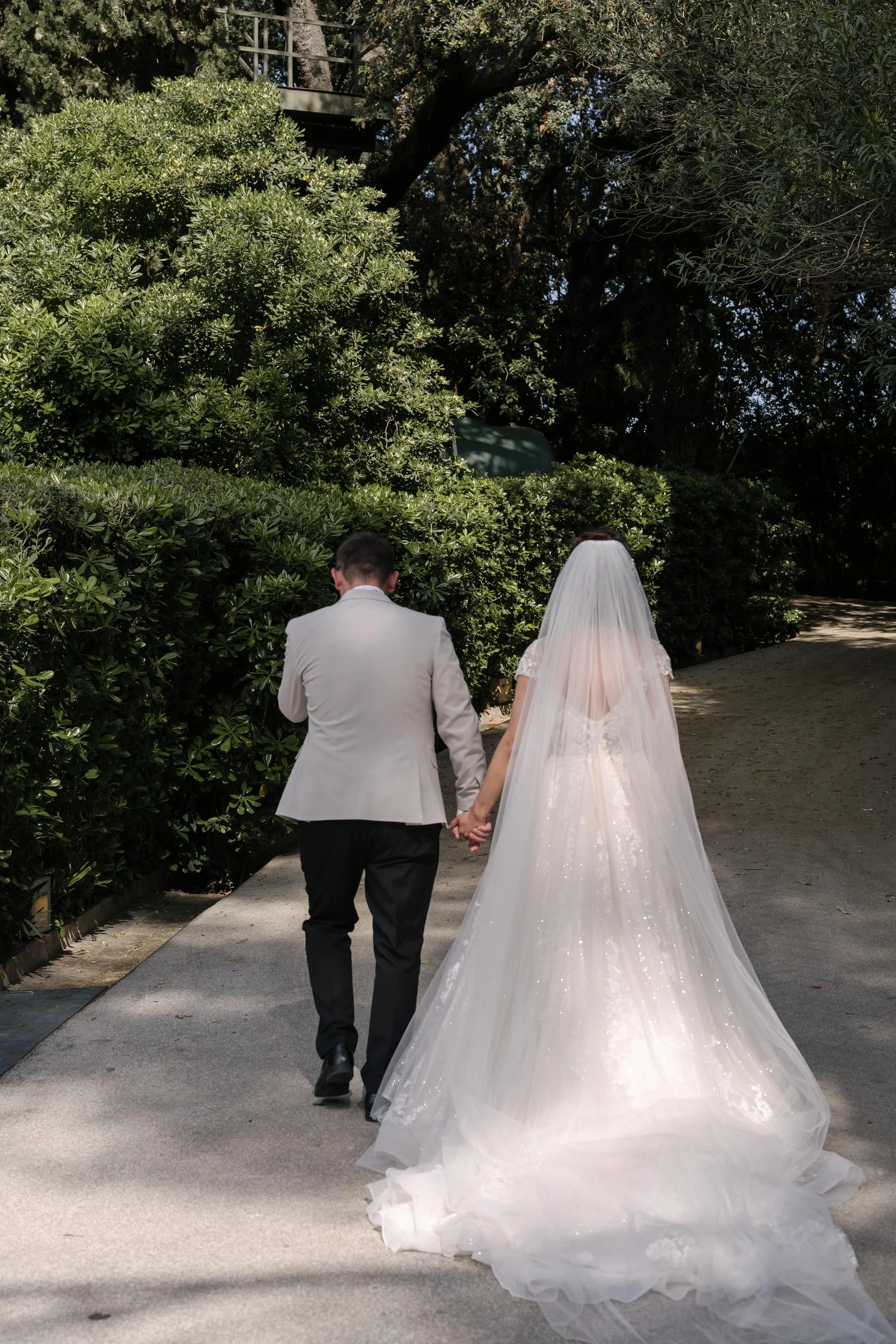
Bridal Photography Ideas for the Shots You’ll Treasure Most
The bridal shots worth planning for, from the morning and the dress to portraits, the ceremony and the evening, and how to brief your photographer.
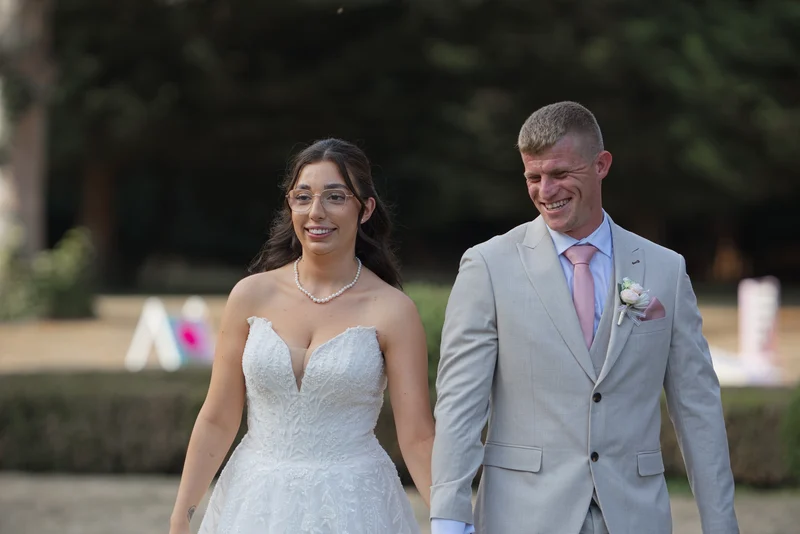
Wedding Photo Ideas You’ll Want to Show Your Photographer
Wedding photo ideas for every part of the day, from getting ready to the night portrait, plus light, church rules and how to brief your photographer.
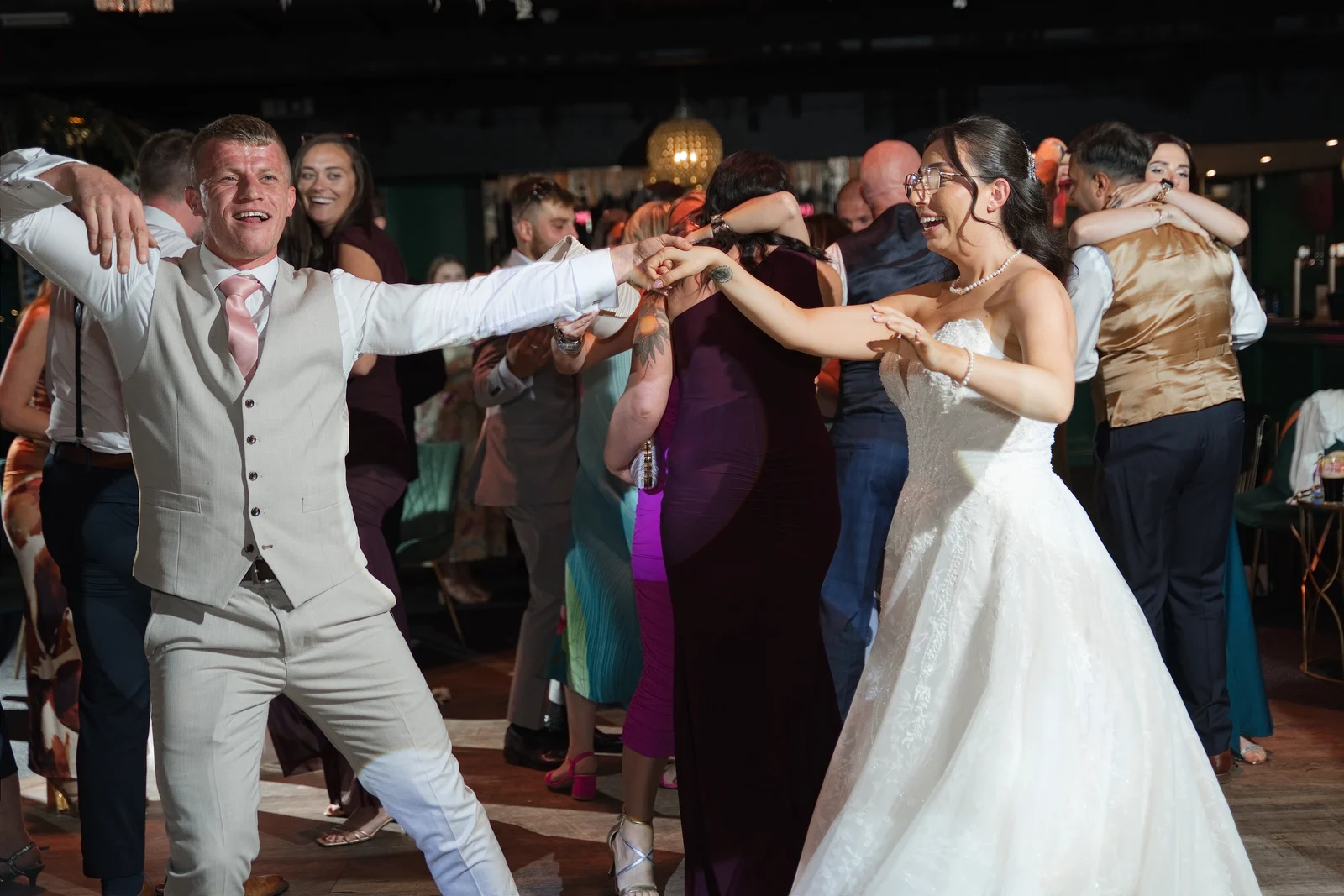
Wedding Guest Pictures: The Candid Shots Couples Love Most
The candid guest moments worth planning for, how to brief your photographer, and what to decide about guests' phones.
Planning your wedding?
Let’s hear about your day.
Tell us your date, your venue and what you have in mind. Photography, film, content creation, or all three.