GuidesElopements & Destination
What Does Elope Mean Today? It’s Not What Your Nan Thinks
What does elope mean? In the dictionary, it means running away to get married in secret. In real life today, it usually means something much gentler: a tiny wedding with just the two of you (plus the two witnesses the law requires), often somewhere that means a lot to you, with family told before, after, or invited to a party later. Nobody needs to climb out of a window.
Below we explain where the word comes from, how its meaning has shifted, what the law in England, Wales and Scotland actually allows, and how to make a small, private wedding feel every bit as special as a big one.
What does elope mean? The dictionary answer
The Oxford Learner’s Dictionary defines elope as “to run away with somebody in order to marry them secretly”. Merriam-Webster gives a similar main meaning, adding that it’s usually without parental consent. It also lists the older senses: running away from a husband or wife with a lover, or simply slipping away.
The word itself is old. Merriam-Webster traces it to Anglo-French words meaning to abduct or run away, with a first known use in 1593, and that first recorded sense wasn’t about weddings at all: it was about leaving a spouse for a lover. The romantic, runaway-wedding meaning came later.
Where the runaway idea came from: Gretna Green
If your nan pictures eloping as a dash across the border, she isn’t wrong about the history. According to National Records of Scotland, Scots law allowed “irregular” marriages made by a declaration in front of two witnesses. After a 1753 law banned that kind of marriage in England, English couples crossed into Scotland to marry at places like Gretna Green, Coldstream and Lamberton Toll, where local “priests” performed the ceremonies and even supplied the witnesses. National Records of Scotland says an 1856 Act finally put an end to the practice.
Gretna Green kept the romance, though, and the idea of eloping as something secret and slightly rebellious has stuck around ever since.
What eloping means now
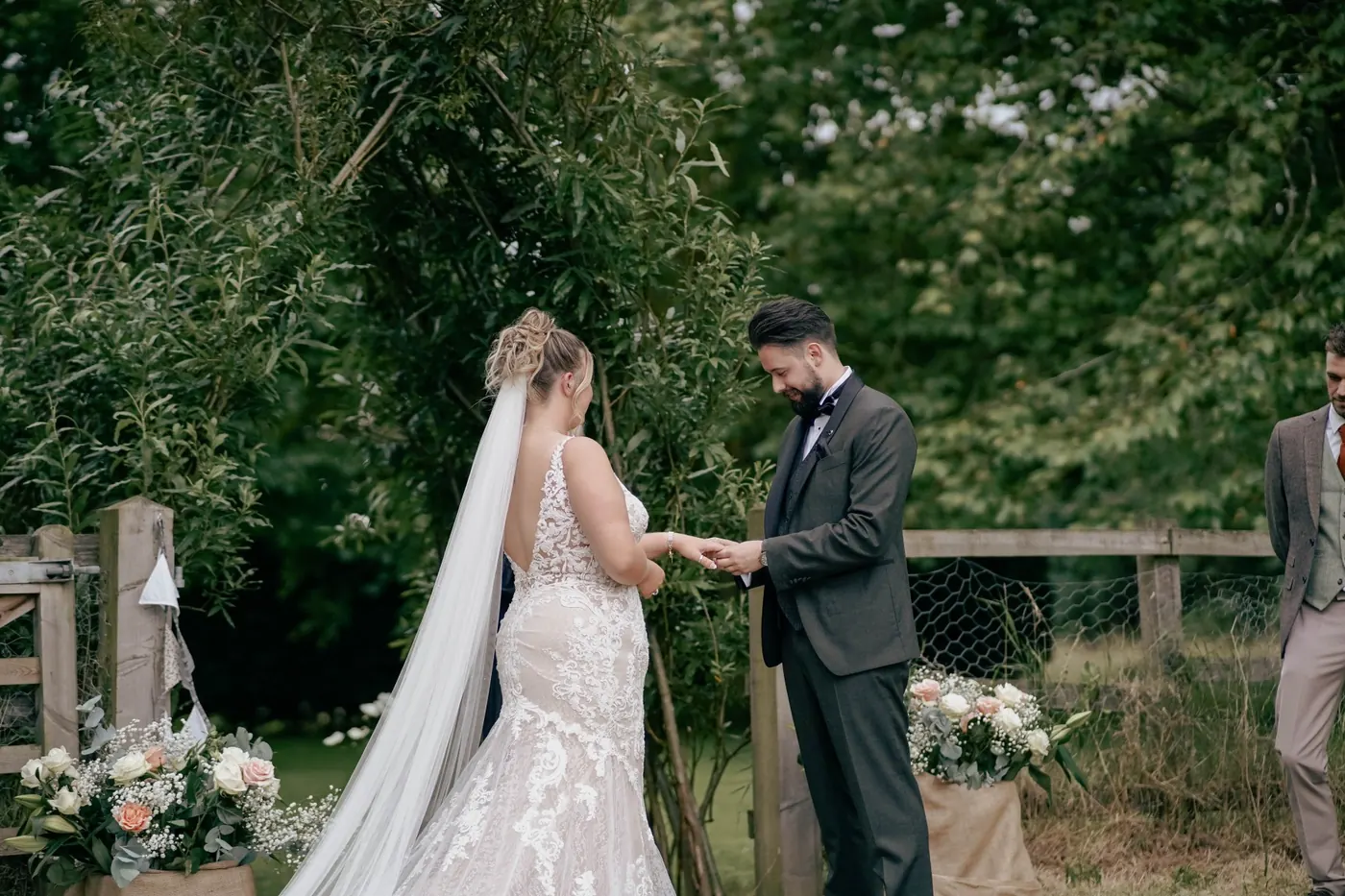
Ask a couple planning an elopement today and you’ll hear something quite different. For most, it’s about intention rather than secrecy: spending the day focused on each other instead of on seating plans and guest lists. Modern elopements usually look like one of these:
- Just the two of you. A ceremony with the two legally required witnesses, then the rest of the day exploring, eating and celebrating together.
- A micro wedding with your closest people. Parents, siblings or a couple of best friends. Some people call this eloping; others would call it an intimate wedding. The label matters less than the feeling.
- Legal bit first, adventure after. A quick register office ceremony, then a separate day for portraits on a beach, a hilltop or a city street.
- A destination elopement. Marrying somewhere far from home, often with a photographer travelling with you. Our post on destination wedding photographers covers how that works.
Plenty of couples also tell their families in advance, or throw a big party when they get home. Eloping no longer has to mean leaving anyone out.
Can you elope in secret in England and Wales?
Quietly, yes. Completely secretly, no. The legal steps mean a wedding in England and Wales is never fully hidden:
- You both need to be 18 or over. The minimum age rose from 16 to 18 on 27 February 2023, and parental consent no longer changes that.
- You must give notice at your local register office at least 29 days before the ceremony, and you must have lived in that registration district for the past 7 days.
- Your notice is put on public display. Waltham Forest, for example, says notices are displayed publicly for 28 days at the register office.
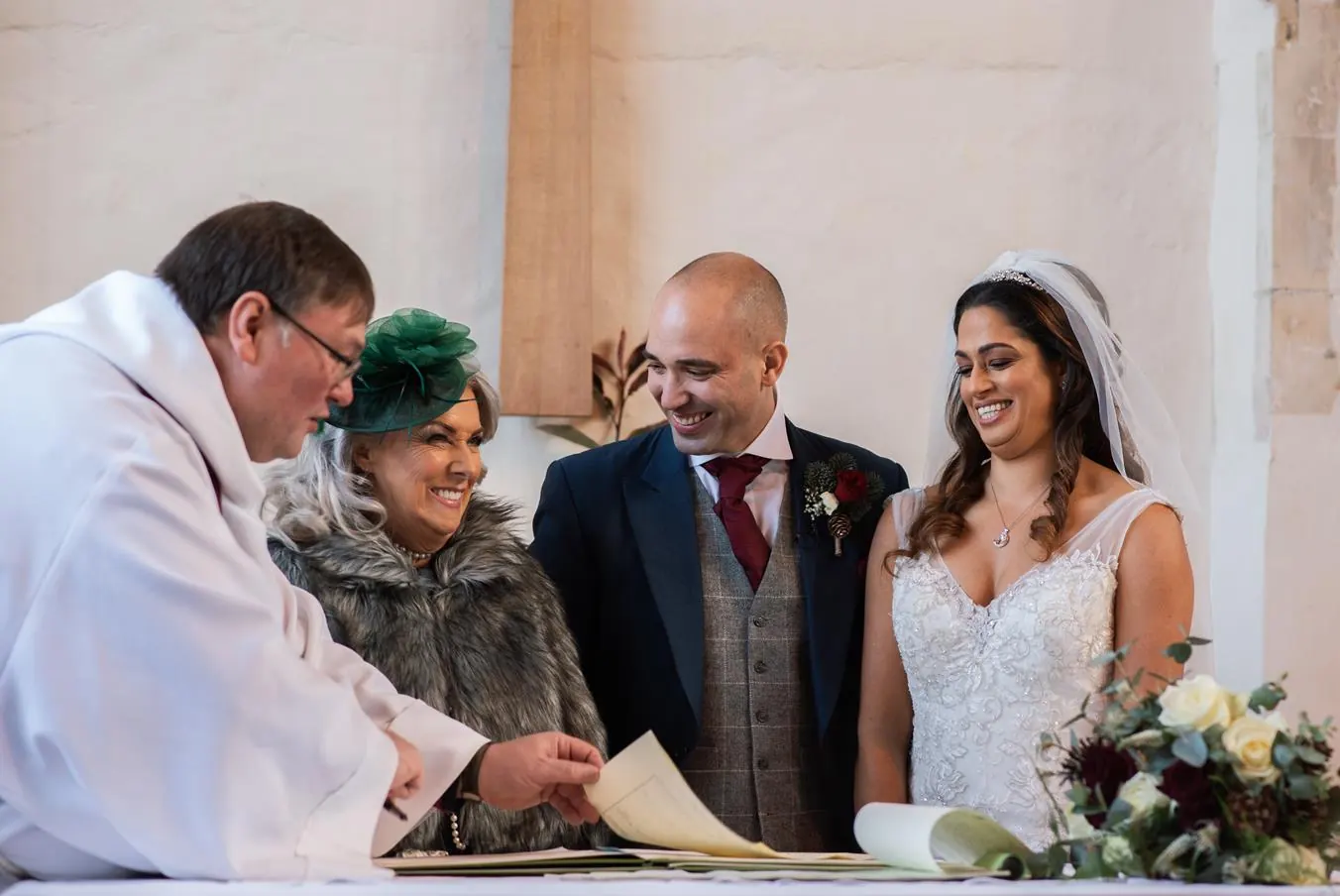
- You need at least two witnesses at the ceremony.
- A civil ceremony must be at a register office or a council-approved venue, and must not include religious content such as hymns or Bible readings.
- You must marry within 12 months of giving notice.
The good news is that the simplest version is very affordable. At the Essex Register Office a marriage or civil partnership costs £68, including two certificates, plus the notice fee (for example £46.50 each in Waltham Forest from April 2026). If a civil partnership suits you better, our plain-English guide to civil partnership explains the difference.
No witnesses of your own?
The law needs at least two witnesses, but GOV.UK doesn’t say they have to be family. Two close friends work perfectly well. If you’re hoping to keep it to just the two of you, ask your register office what they allow when you book, before you make plans around it.
Eloping to Scotland today
Scotland is still a favourite, partly for the scenery and partly for the flexibility. National Records of Scotland says any two people can marry there regardless of where they live, as long as they meet the other conditions. The key points:
- Notices must reach the registrar at least 29 days before the wedding, but National Records of Scotland advises giving 10 to 12 weeks’ notice.
- You need two witnesses, both aged 16 or over.
- A civil ceremony can take place in a registrar’s office or at a place agreed with the registration authority, such as a hotel, a beauty spot or your home. Popular areas get busy, so arrange it early.
Should you elope? The honest pros and cons
Why couples love it: it usually costs far less, the day is calmer, and you get to spend it entirely with each other. If big crowds make you anxious, or you just don’t want to plan a 100-guest event, it can feel like a huge weight lifted.
What to think about: some family members may feel hurt to miss it, and with no guests there, the photos and film become the only way anyone else gets to share the day. A few kind conversations beforehand, or a celebration afterwards, can go a long way.
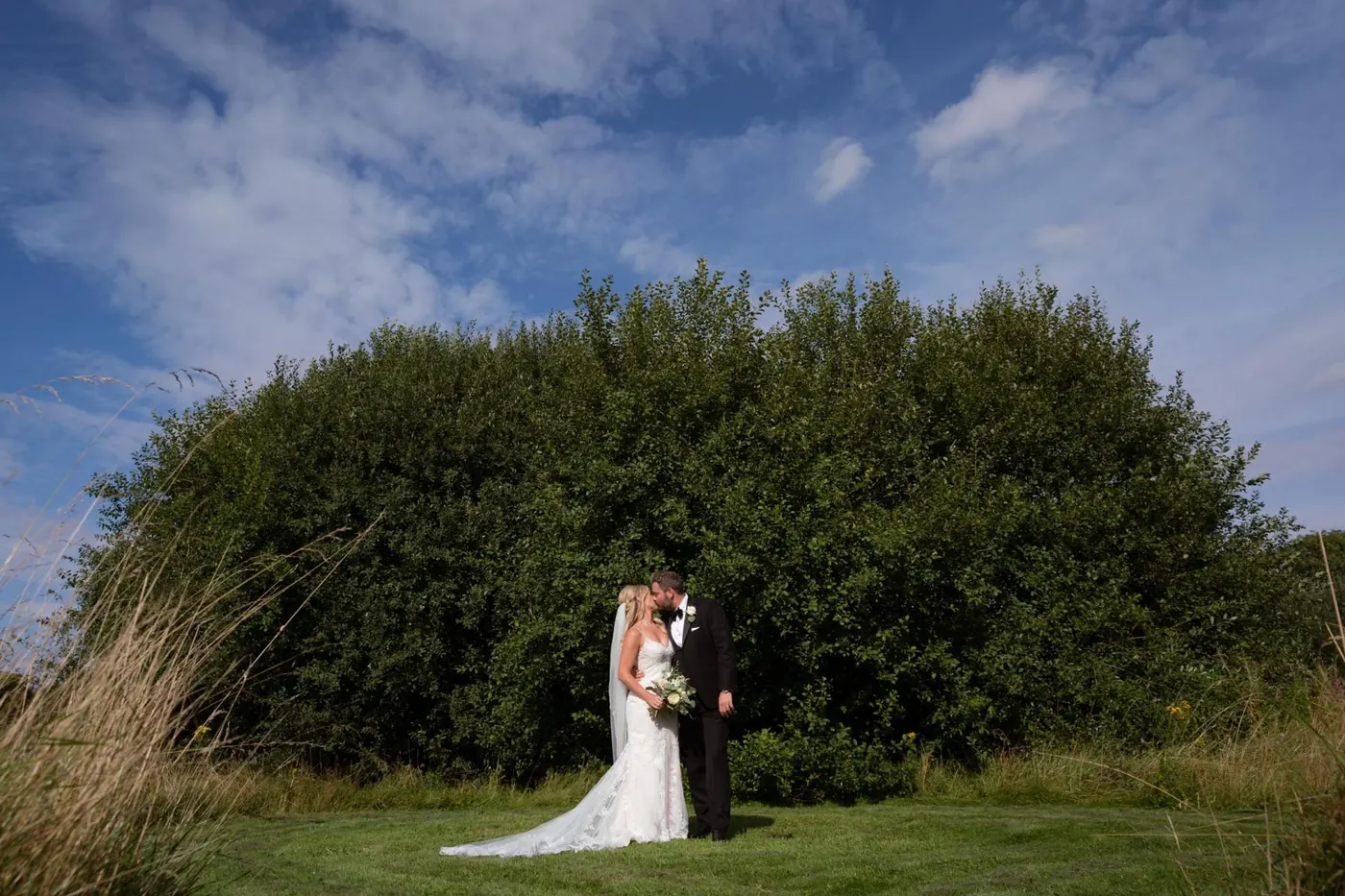
Making an elopement feel special in photos and film
With fewer people, every moment counts more. A few things make a real difference:
- Give yourselves time. Without speeches and a receiving line, you can spend an unhurried hour on portraits in the best light of the day.
- Choose places that mean something. Where you met, a favourite walk, a view you love. Check permission for any private land.
- Bring the personal bits. Letters to each other, a phone call to family after the ceremony, a favourite takeaway in your wedding clothes.
- Think about film. If parents and friends weren’t there, hearing your vows on film is the next best thing. Our post on whether you need a videographer is worth a read.
- Relax about the camera. With no audience watching, there’s far less pressure to perform for the camera. If you’re nervous, see our tips for camera-shy couples.
Thinking of running away together, even just a little? We’d love to hear what you have in mind, whether it’s a register office and a pub lunch or a clifftop in Scotland. Get in touch.
Sources: Oxford Learner’s Dictionaries: elope; Merriam-Webster: elope; National Records of Scotland: irregular border marriage registers; GOV.UK: legal age of marriage rises to 18; GOV.UK: give notice; GOV.UK: plan your ceremony; Waltham Forest: give notice of marriage; Essex County Council: book a registrar; National Records of Scotland: Marriage in Scotland leaflet RM1; National Records of Scotland: what form does a marriage ceremony take. Fees vary by council. Checked October 2026.
Planning your wedding?
Let’s hear about your day.
Tell us your date, your venue and what you have in mind. Photography, film, content creation, or all three.