
How Much Should a Photographer Charge for a Wedding? What’s Fair (and What’s a Warning Sign)
So, how much should a photographer charge for a wedding? For an experienced, insured professional covering most of the day in the UK, a fair price usually lands somewhere between about £1,000 and £2,500. Bridebook’s 2026 figures put the UK average at £1,484, with most prices between £500 and £2,500 and London and the South East typically higher.
Where a quote sits in that range should come down to things you can see and check: how many hours you get, how many edited photos, one photographer or two, and how experienced they are with weddings like yours. This guide explains where the money goes, why a fee isn’t the same as a wage, and the warning signs at both the very cheap and the very expensive end.
How much should a photographer charge for a wedding? The going rates
Bridebook’s 2026 price guide breaks the national picture down by region:
| Region | Typical range | Rough average |
|---|---|---|
| UK overall | £500 to £2,500 | £1,484 |
| London and the South East | £700 to £3,000+ | about £1,700 to £2,000 |
| Rest of England | £500 to £2,200 | about £1,300 to £1,500 |
| Scotland, Wales and Northern Ireland | £500 to £2,000 | about £1,100 to £1,400 |
The same guide links budget to coverage: under £1,000 tends to buy four to six hours, £1,000 to £1,500 around six to eight, and £1,500 to £3,000 around a full eight-hour day. Treat those as a sense check rather than a rule. A photographer with a strong portfolio near Colchester and one just starting out in the same town can both be charging a fair price for what they offer.
Where the money actually goes
The wedding day is the part you see, but it’s only part of the job. Behind a single booking there is usually:
- Time before the day: emails, a call or meeting, a timeline chat, sometimes a venue visit, and planning the group photo list with you.
- Travel: getting to and from the venue, and sometimes staying nearby for an early start.
- The day itself: often longer than the booked hours once you add arriving early to check the light and the room.
- Editing: going through every frame, choosing the best, and editing them so they look consistent. This is usually the biggest chunk of time and it happens after the confetti has been swept up.
- Delivery: an online gallery, safe storage and backups, and any album design.
- Running costs: cameras and lenses (plus spares, because nothing can be reshot), computers, software, insurance, website, accountant and training.
Once you spread a fee across all of that, the hourly rate looks a lot less dramatic than “£1,500 for one Saturday” suggests.
A wedding fee is not a wage
Most wedding photographers are self-employed, so the fee you pay is turnover, not take-home pay. Business costs come off first, then tax. For the 2026 to 2027 tax year in England, gov.uk lists a Personal Allowance of £12,570, a basic rate of 20% on taxable income from £12,571 to £50,270, and a higher rate of 40% above that, with National Insurance on top for the self-employed.
VAT is the other thing to know about. A business has to register for VAT once its taxable turnover goes over £90,000 in a 12-month period (the threshold rose to that figure on 1 April 2024). Most solo wedding photographers are under it, but larger studios may be over it and have to add VAT to their prices. If two quotes look far apart, check whether one includes VAT and the other doesn’t.
What a fair price should get you
Whatever you pay, these are reasonable things to expect from a professional:
- A written contract that sets out the hours, what you’ll receive, the payment schedule and what happens if either of you has to cancel or postpone.
- A clear idea of how many edited photos you’ll get. Ours, for example, are 600+ for Essentials, 800+ for 8 Hours and 1,000+ for Full Day, and you can see what each package covers.
- Full wedding galleries to look at, not just a highlights reel.
- Public liability insurance and a plan for backups: spare cameras, and the photos stored in more than one place.
- Honest answers about who will actually turn up on the day.
Our guide to comparing wedding photography packages goes through each of these in more detail.
Warning signs at the cheap end
A low price isn’t automatically a problem. Someone newer, or someone who keeps their costs down, can still do a lovely job. The concern is when a very low price comes with any of these:
- No contract, or a vague one that doesn’t say what you’ll get.
- Only a handful of portfolio images and no full galleries to show.
- “Unlimited photos” with no editing, which can mean thousands of near-identical shots dumped on you.
- Cash only, full payment upfront, or pressure to book immediately.
- No answer on backups or insurance. Weddings can’t be repeated, so this matters more than almost anything else.
Warning signs at the expensive end
Paying more should buy you something you can name. Be wary if a high quote:
- Doesn’t include more coverage, more photos, a second photographer or an album compared with cheaper quotes.
- Comes from a studio where the person you met won’t be the one photographing your day, and they can’t tell you who will be.
- Relies on awards or brand name rather than full galleries from weddings like yours.
Spending more on photography is a perfectly good choice if it’s the thing you care about most. Just make sure the extra money is going on something you’ll actually notice.
How to work out if a quote is fair for you
- Map the hours onto your day. If the coverage stops before the first dance and you want that, the cheaper package isn’t really cheaper.
- Compare like with like. Line up hours, number of photographers, edited photos, albums and VAT across your shortlist.
- Look at full galleries. Do the in-between moments look as good as the portraits? If you like natural, unposed photos, our guide to documentary wedding photography explains what to look for.
- Read the contract before paying a deposit.
- Talk to them. You’ll spend the whole day with this person, so feeling at ease with them is part of what you’re paying for.
For the wider budget picture, including film, our post on what wedding photography and videography cost in the UK pulls it together.
Our honest take
The fairest price is one where you know exactly what you’re getting, you’ve seen enough of their work to trust it, and you’d still be happy with the decision if you saw a cheaper quote tomorrow.
If you’d like to talk through what coverage your day needs, have a look at our packages or drop us a message. No pressure, just a chat about your plans.
Sources: Bridebook, How Much Does a Wedding Photographer Cost? (2026 Price Guide); GOV.UK, Income Tax rates and Personal Allowances; GOV.UK, Increasing the VAT registration threshold. Checked November 2026.
Related guides
More on photography & film.
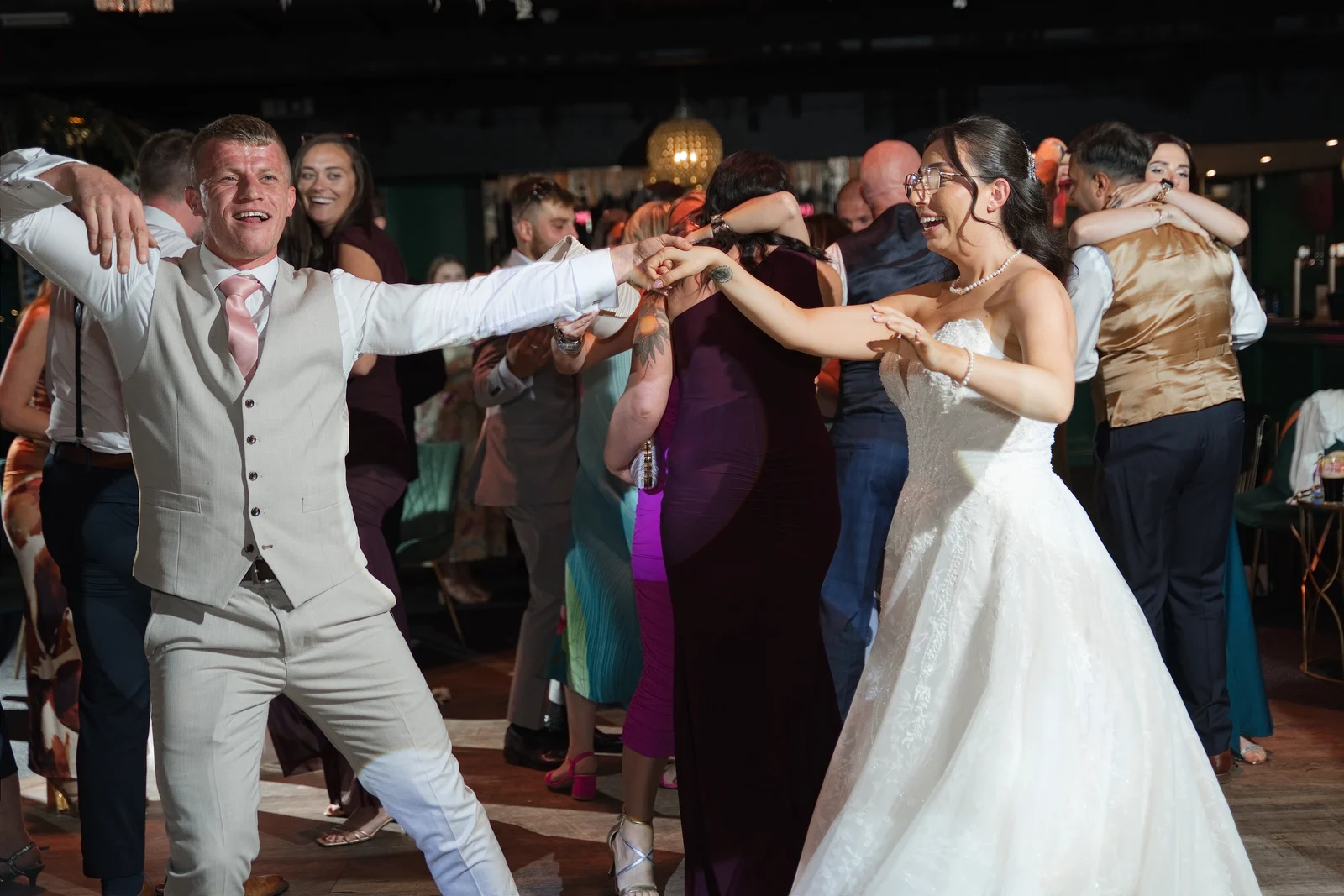
Wedding Guest Pictures: The Candid Shots Couples Love Most
The candid guest moments worth planning for, how to brief your photographer, and what to decide about guests' phones.
Documentary Wedding Photographer: What You Get That Posed Can’t
What a documentary approach involves, what you gain and give up, and how to check a photographer really works this way.
How to Make a Video With Your Photos (Wedding Slideshow Edition)
Free tools, a simple step-by-step method, how many photos fit a song, and the music copyright catch for posting online or playing at a venue.
Planning your wedding?
Let’s hear about your day.
Tell us your date, your venue and what you have in mind. Photography, film, content creation, or all three.